

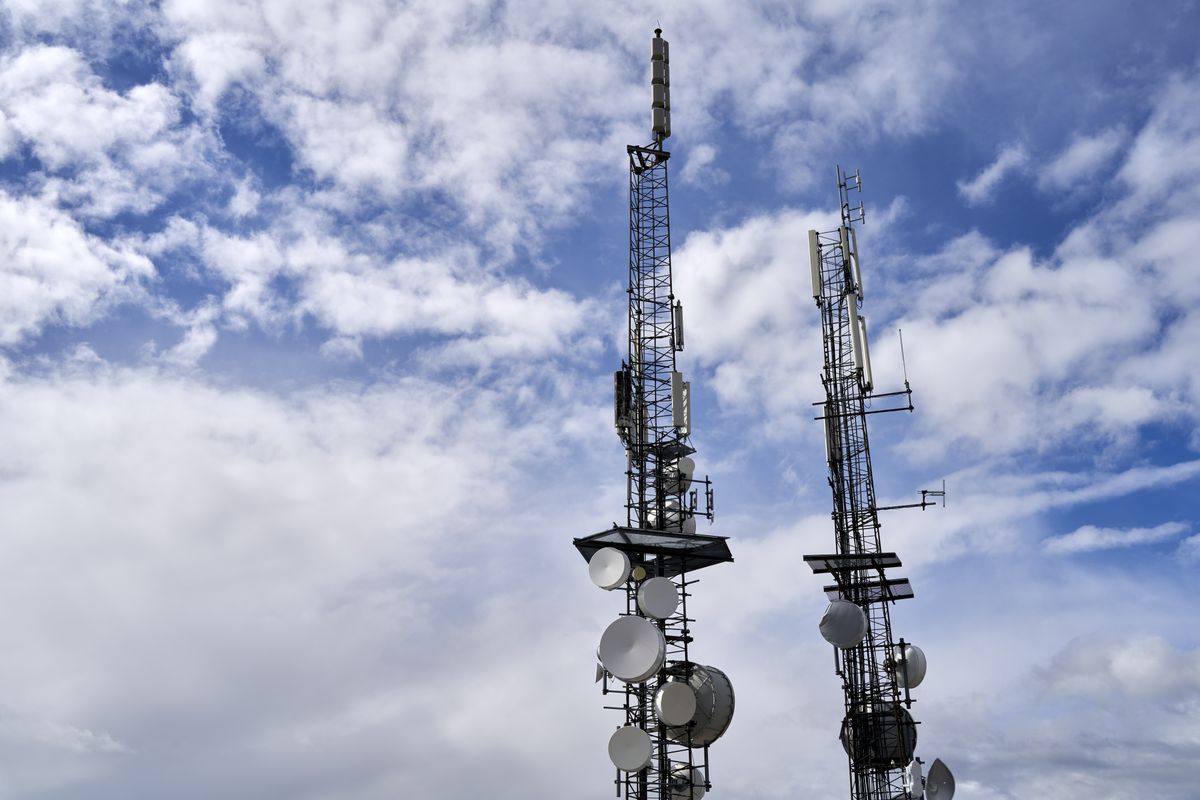
Prepaid used to mean second class network access. A slower lane, deprioritised at busy times, with the newest technology reserved for people on contracts. That assumption is out of date, and the plan cards here say so plainly: every one of them lists data at up to 5G speeds, from the smallest to the largest.
The Plans Built for Daily Data
Eighteen Gigabytes
The High Data Plan, standard thirty three dollars, currently shown at seven dollars fifty for a promotional six months. Eighteen gigabytes at 5G is the size where video stops being something you save for later. Unlimited nationwide talk and text and unlimited international talk and text to a hundred countries sit underneath, as they do across the range.
Twenty Five Gigabytes
Standard thirty nine dollars, with no discount currently applied. The largest capped allowance before the range turns unlimited, and the one to take if you want 5G speed without watching a counter in the final week of the month.
The Plans Built for Everything Else
Five Gigabytes
Standard nineteen dollars, currently ten with a promotional term of twelve months. Small, but still at 5G, which matters more than the allowance suggests. Pages load and calls connect at the same speed as on any plan above it. The difference is only how long that lasts into the month.
Eight Gigabytes
Standard twenty three dollars, currently fifteen, and the smallest plan carrying the five dollar international roaming credit. A sensible middle for a phone that does real work but spends most of its day on wi-fi.
Fifteen Gigabytes
Standard twenty nine dollars with no discount currently applied, and the largest plan still carrying the roaming credit. The quiet all-rounder of the range.
Above all of these sit the two unlimited plans, Unlimited Plus and Unlimited Pro, both at 5G as well. They are listed here only to complete the picture: nothing in the range is excluded from 5G, which is the point worth taking away.

What Up to 5G Actually Promises
The phrase does real work. It means the plan is not barred from 5G, and it means the speed you get is whatever the network delivers where you are standing. It does not promise a figure, because no honest carrier can. Your handset has to support 5G, and the area has to have it.
That last part is checkable before you buy. The coverage map takes an address or a zip code and shows 2G, 3G, 4G and 5G strength for that spot, which is a more useful exercise than reading any plan card. A prepaid phone plan that lists 5G is worth nothing in a place that only has 4G, and worth a lot in a place that has both.
It is also worth checking the handset rather than assuming. A phone bought three or four years ago on a contract may be 4G only, and no plan can change that. The coverage map tells you what the area supports; the phone’s own settings tell you what it can reach. Both have to agree before the plan card means anything.
Where the Speed Stops Mattering
On the unlimited tiers, full speed access is committed for the first fifty gigabytes and described differently after that. On the capped plans there is no such wording, because the allowance runs out before the question arises. If you tether a laptop or work from the phone, that distinction is the one to read carefully.
Out of allowance, calls run at five cents a minute and texts are free on any plan, so a plan running dry is an inconvenience rather than a cliff. It is still worth sizing the SIM only plan correctly rather than relying on that.
The Practical Upshot
Every plan in the range gets 5G, so speed is not the thing that separates them. The allowance is. Choose the plan by how much data you actually use, check the coverage map for your own address, and let the network technology take care of itself.
Network building alters what any given postcode receives, sometimes inside a single season. We republish coverage findings at BlogsBuddy as they reach us. The whole 5G lineup belongs to Lyca Mobile.