

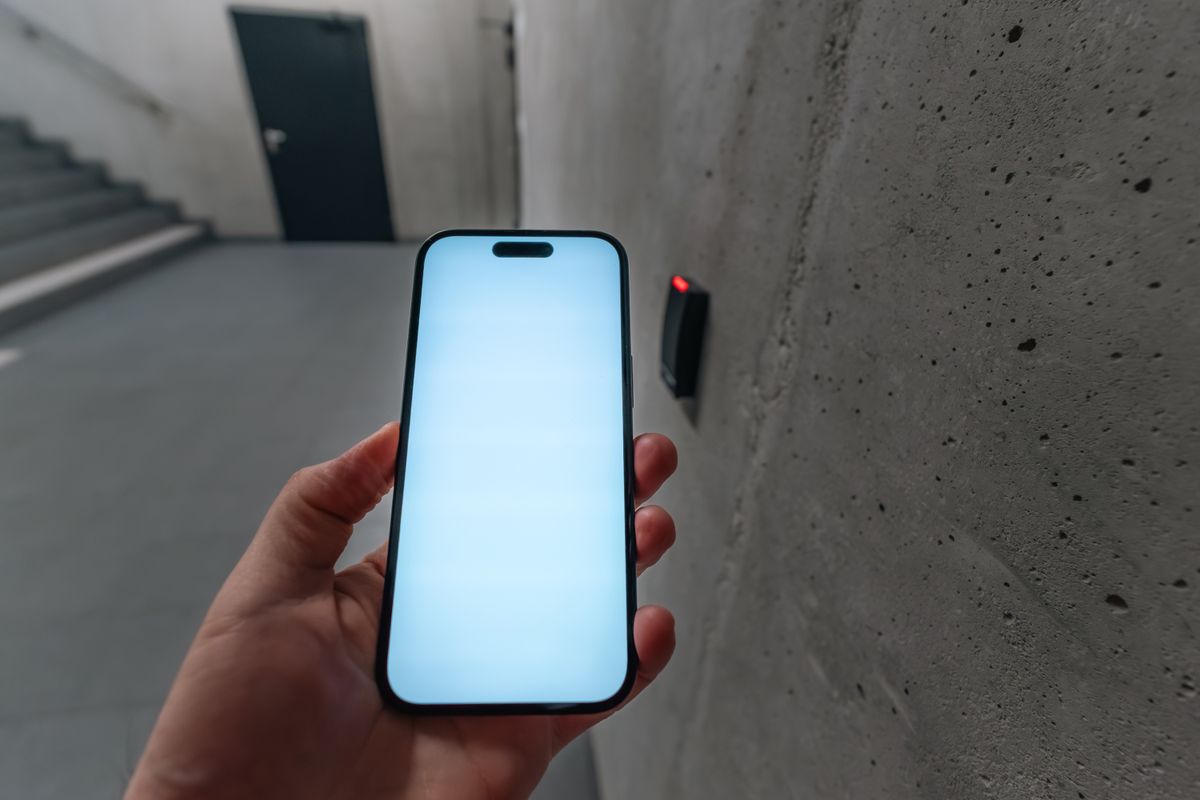
The slowest part of changing network has always been the wait. Order, wait, receive, swap, activate. An eSIM removes every step but the last one. The whole thirty day range here is sold that way, which means the gap between deciding and having service is measured in minutes rather than days.
What an eSIM Is
An embedded SIM. Instead of a piece of plastic you slot into a tray, it is code written into the device itself. It cannot be removed and put into another phone, which is the trade: you lose the ability to move a line between handsets by swapping a card, and you gain the ability to start one without waiting for anything.
The one condition is that the handset has to support it. Most phones sold in the last few years do, and the site has a compatibility tool to check a specific model rather than guessing from the year it was bought.
Setting One Up
- Check the handset supports eSIM using the compatibility tool.
- Choose the plan and buy it.
- Install the profile on the device when it arrives by email.
- Keep your existing number by requesting a transfer if you are moving in.
The Plans Sold This Way
UK Plan Smart
Five gigabytes at three pounds fifty, reduced from five for the first month. EU roaming capped at five gigabytes, a hundred international minutes, a thousand UK calls and texts.
National Plus
Thirty gigabytes at five pounds, half off a standard ten for the first month. Unlimited UK calls and texts, a hundred international minutes, EU roaming at twelve gigabytes.
UK Plan Unlimited
Unlimited data at twelve pounds fifty, half off a standard twenty five for the first month. Unlimited UK calls and texts, a hundred international minutes, and roaming across the EU and India capped at thirty five gigabytes.
The other two plans in the thirty day range, UK Plan Super Extra at seventy five gigabytes and UK Plan Mega Plus at a hundred and twenty, carry the same eSIM availability. The three above are the ones the eSIM page puts forward, but nothing in the range is excluded from it, and the longer twelve and twenty four month terms are all listed as eSIM available too.
The Part Worth Planning
Because an eSIM is tied to the device, replacing a broken phone is less straightforward than moving a plastic card across. It is a support request rather than a thirty second swap. For most people that is a reasonable trade for never waiting on the post, but it is worth knowing before you choose.
The second thing worth planning is the number. Keeping an existing number is a transfer request rather than something that happens automatically, and it is far easier to start that at the same time as the pay as you go plan than to go back to it afterwards.
Two Profiles, One Phone
A device that supports eSIM can usually hold more than one profile, which opens up an arrangement a physical card cannot. A work line and a personal line on the same handset. A home number kept alive while a local number does the daily work. Switching between them is a settings change rather than an operation with a paperclip.
That is the quiet argument for an eSIM over a SIM only plan on plastic, and it has very little to do with speed of delivery.
It is worth keeping the old line active until the new profile is working. An eSIM installs in minutes, but a number transfer runs on its own timetable, and having service throughout costs nothing if the overlap is planned.
Making the Call
If the handset supports it and you are not in the habit of moving your line between phones, the eSIM version is the better of the two in almost every respect. If you swap devices often, or you keep an old phone as a backup to drop your SIM into, the physical card still earns its place.
Handset compatibility widens with each generation, so a device excluded last winter may well pass now. Fresh eligibility findings get posted at BlogsBuddy. Instant digital profiles are issued by Lyca Mobile.