

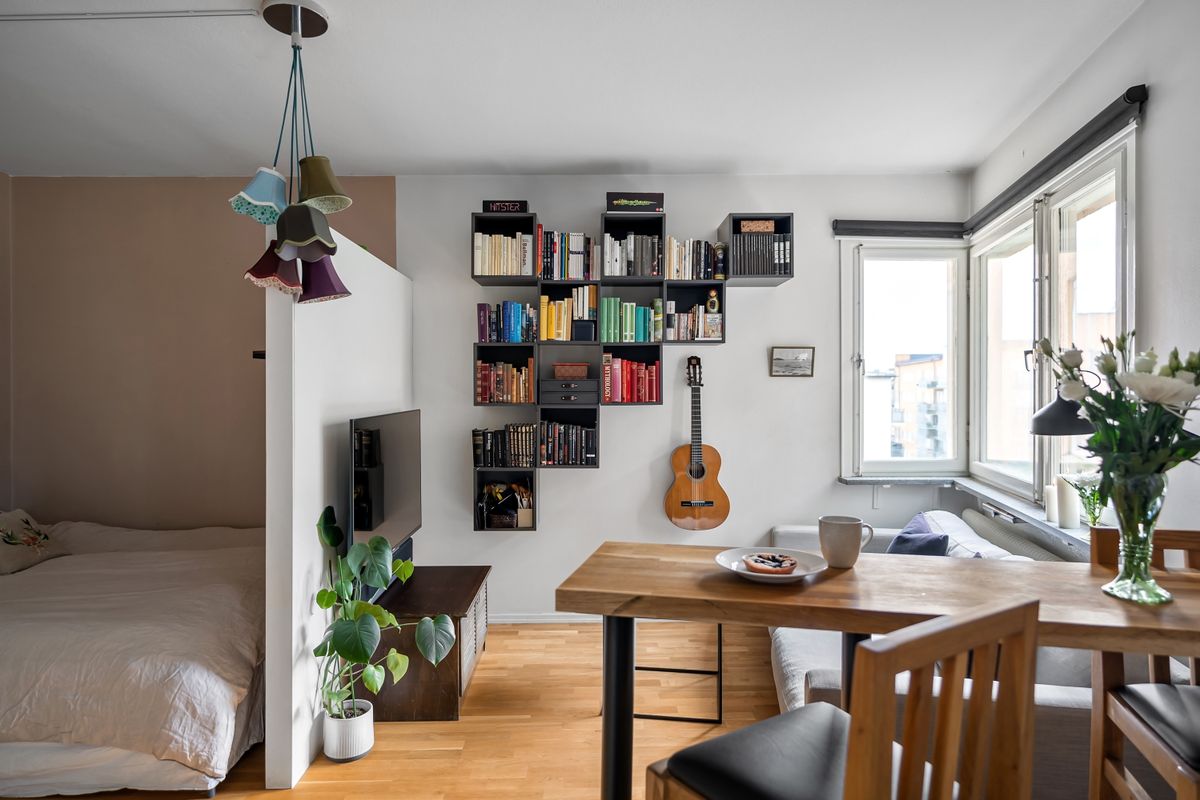
Add up everything in a rented apartment and the total usually surprises people. Furniture, a laptop, a phone, clothes, kitchen gear, a bike and a few pieces of jewelry quickly add up to a sum few people could replace out of pocket. A landlord’s insurance protects the building, not any of that. Renters insurance coverage fills the gap, and the right mix of standard protection and add-ons decides how much of it you would actually get back after a theft, a fire or a disaster.
Start With What Your Belongings Are Worth
Before comparing policies, it helps to know what you are insuring. A quick home inventory takes an evening and makes every later decision easier:
- Walk through each room and list the larger items: furniture, electronics, appliances and anything you would replace straight away.
- Photograph or film the contents, opening closets and drawers so clothing and smaller items are recorded too.
- Note anything of higher value, such as rings, watches or heirlooms, and keep receipts or appraisals with the list.
- Estimate a total and use it to choose a personal property limit that would genuinely cover a loss.
Store the list and photos somewhere online so they survive whatever happens to the apartment.
The Coverage Every Policy Starts With
Personal Property
This is the core of the policy. It helps cover the cost to replace belongings that are damaged or destroyed by a covered event, from a laptop lost in a fire to clothes ruined by a burst pipe. The limit you set here should come straight from your inventory total.
Personal Liability and Medical Payments
If a guest is injured in your home and you are found responsible, this coverage helps with their medical expenses and your legal fees. It protects your savings as much as your belongings, which is why it sits in every standard policy.
Additional Living Expenses
When a covered loss makes the apartment unlivable, this coverage helps with the extra costs of living somewhere else while repairs are made, up to the stated policy limits. It is not available in every state, so it is worth confirming where you live.

Add-Ons That Close the Gaps
The standard policy handles the everyday risks. Three optional coverages deal with the situations it can leave short.
Does the policy pay to buy things new?
Not always. Without an upgrade, a claim may reflect what an item was worth after years of use rather than the price of a new one. Personal Property Replacement Cost Coverage changes that, so a payout is based on replacing the item today. It is optional, subject to a deductible and can vary by state, but for anyone with newer electronics or furniture it often makes the biggest difference to a claim.
Are rings and watches fully protected?
Many standard policies limit how much they pay for jewelry. Blanket Jewelry is an optional coverage that adds protection for those pieces, which matters for an engagement ring, a family heirloom or a growing watch collection. Like replacement cost, it is subject to a deductible and may vary by state, and your inventory photos and receipts make any claim far smoother.
What about earthquakes?
Earthquake damage is generally not part of a standard renters policy. For anyone renting in an area with seismic risk, earthquake coverage can be added to protect belongings from shaking damage that the base policy would not touch. It is one of the simplest ways to make renters insurance for valuables match where you actually live.
Discounts That Keep the Policy Affordable
Several discounts can lower the premium once the coverage is right. Buying the policy online can bring a saving everywhere except California, and renters who have not filed a claim with their previous insurer for five years or more may qualify for a claims-free discount. Getting a quote before your current policy expires can earn an early shopper discount, and anyone who already insures a car with the same company can bundle the two policies for further savings on their renters policy.
Final Thoughts
A good renters policy is built from the inside out. Start with an honest inventory, set a personal property limit that matches it, and keep liability and living expenses in place for the costs that hit hardest. Then add the pieces your situation calls for: replacement cost for newer belongings, jewelry protection for pieces that matter, and earthquake coverage if the ground is a real risk where you rent.
Build a customized renters policy with Liberty Mutual and choose the add-ons that fit your home. For more straightforward guides to managing money and the home, keep an eye on BlogsBuddy.