

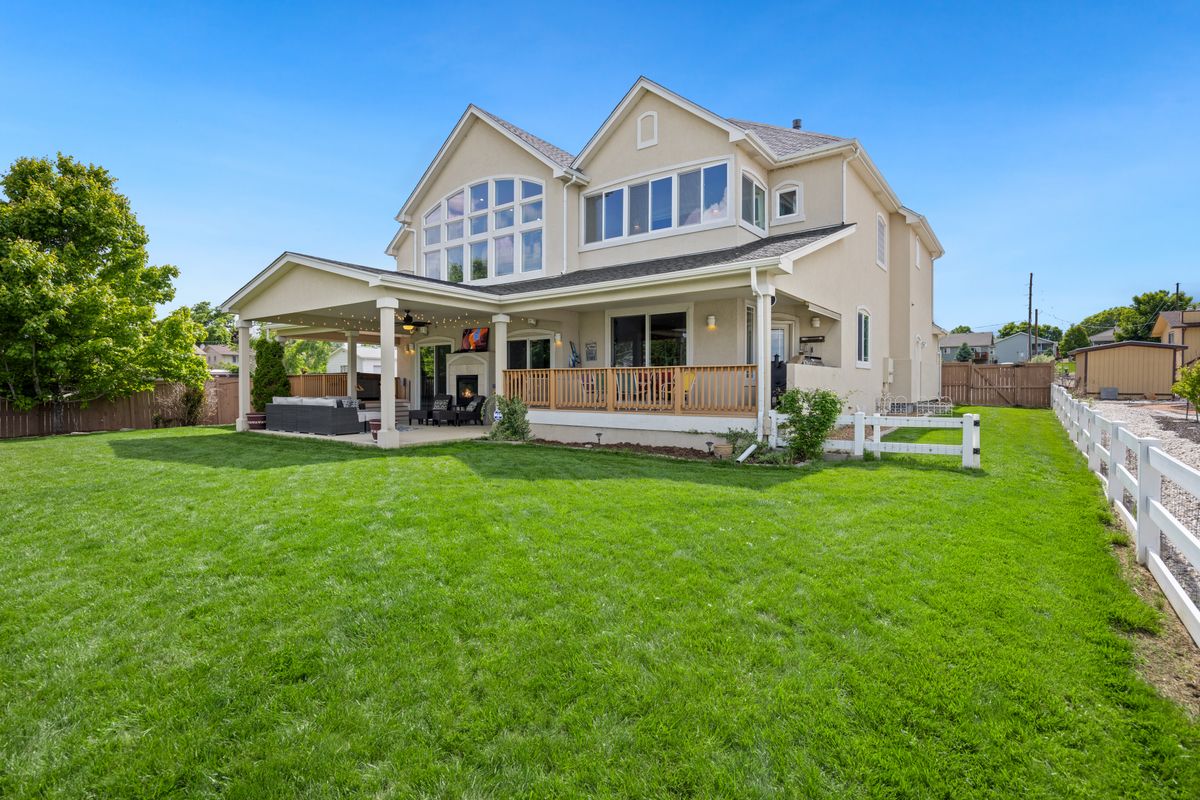
A homeowners policy is often bought in a hurry, usually because a lender requires it before closing, and then left untouched for years. Yet it is one of the most important financial protections a household has. It covers the structure you live in, the things inside it and the costs that follow if someone is hurt on your property. Knowing how a homeowners insurance policy is put together makes it much easier to set the right limits and spot the gaps.
The Six Parts of a Homeowners Policy
A standard policy is divided into six coverages, labelled A to F:
- Dwelling coverage (A) protects the house itself.
- Other structures coverage (B) applies to detached structures on the property, such as a shed or a fence.
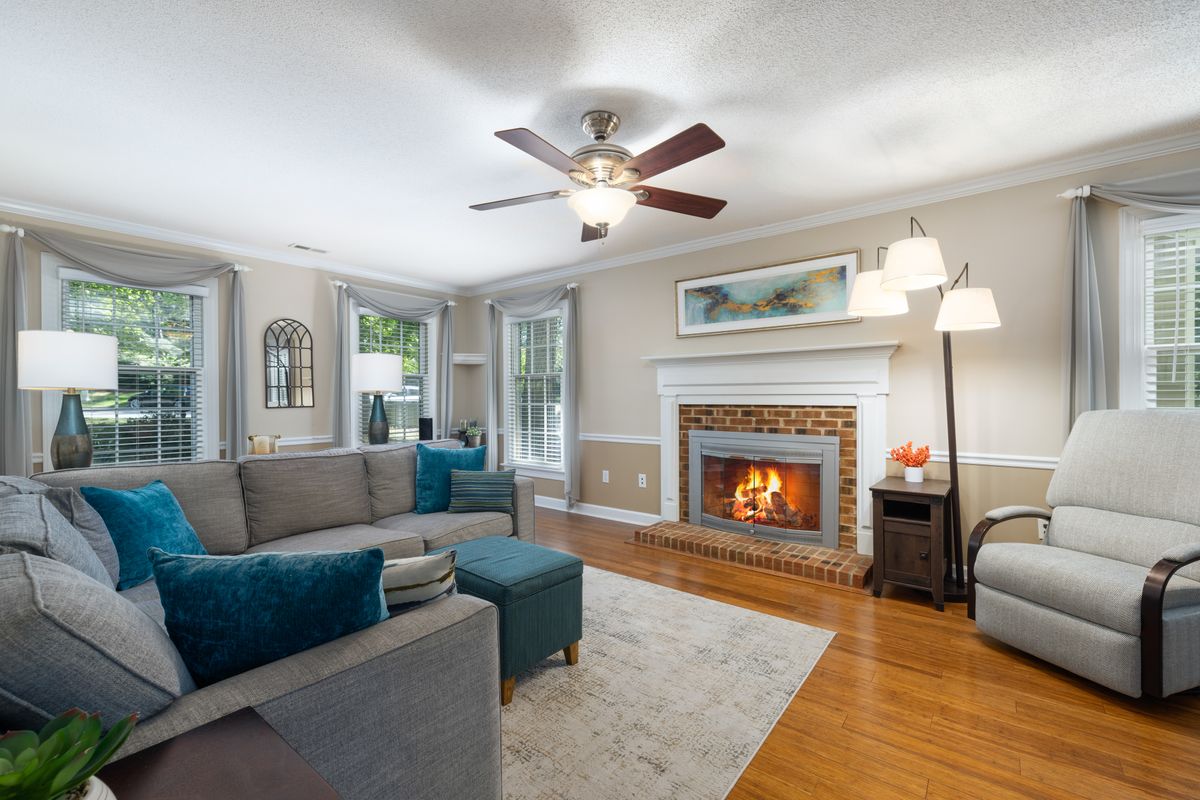
- Personal property coverage (C) helps replace belongings after a covered loss.
- Loss of use coverage (D), also called additional living expenses coverage, helps with the cost of living elsewhere while the home is repaired.
- Personal liability coverage (E) helps protect your finances if you are found responsible for injury to others or damage to their property.
- Medical payments to others coverage (F) can help pay medical bills for a guest injured on your property.
Together these answer three questions: can you rebuild, can you replace what you own, and can you cover a claim against you. A home insurance coverage review should look at the limit on each part, not only the dwelling figure.
Liability and Medical Payments Are Not the Same
Two of the six parts are easy to confuse. Personal liability coverage responds when you are found responsible for someone else’s injury or for damaging their property, and it can help with the costs that follow a claim against you. Medical payments to others coverage is narrower and simpler: it can help pay a guest’s medical bills after an injury on your property. One protects your savings from a claim, the other helps settle a minor accident quickly, and most households benefit from having both in place.
Optional Coverages to Add On
The standard six leave some common problems uncovered. These optional coverages can be added to close those gaps.
Water Backup and Sump Overflow
Water that backs up through drains or overflows from a sump pump can soak a basement in a few hours. This add-on is designed for exactly that kind of loss, which homes with a basement or sump pump are most likely to face.
Valuable Item Coverages
Jewelry, collections and other high-value items can exceed the limits that apply to general belongings. Valuable item coverages give those pieces their own protection.
Identity Fraud Expense Coverage
Restoring your identity after fraud can involve paperwork, phone calls and costs that have nothing to do with the house. This coverage helps with the expenses of putting things right.
Matching of Undamaged Property
As the name suggests, this coverage addresses situations where a repaired section of the home needs to match the undamaged areas around it, so a partial repair does not leave a patchwork.
Residence Glass Coverage
Windows, glass doors and other glass in the home can be covered specifically through this option.
Questions to Ask Before Setting Limits
- What would it cost to rebuild the house today, rather than what it might sell for?
- What would it take to replace everything inside, room by room?
- How much in savings and assets would a liability claim put at risk?
- Does the home have a basement or sump pump that makes water backup a real concern?
- Are there items, such as jewelry or collections, worth more than the standard limits?
Discounts can then bring the cost back down. Bundling home and car insurance, installing a security system and buying a new home can all lead to savings on homeowners coverage, alongside many other discounts on select policies.
The Bottom Line
A homeowners policy works best when every part of it has been chosen on purpose. Set the dwelling limit around the cost to rebuild, match personal property to what you actually own and choose a liability limit that reflects what you have to protect. Then add the optional coverages that fit the home, such as water backup for a basement or valuable item coverage for heirlooms. A short review once a year keeps a home insurance policy in step with the house it protects.
Talk to Farmers about a homeowners policy shaped around your house and belongings. More practical reads on home and money are waiting at BlogsBuddy.