

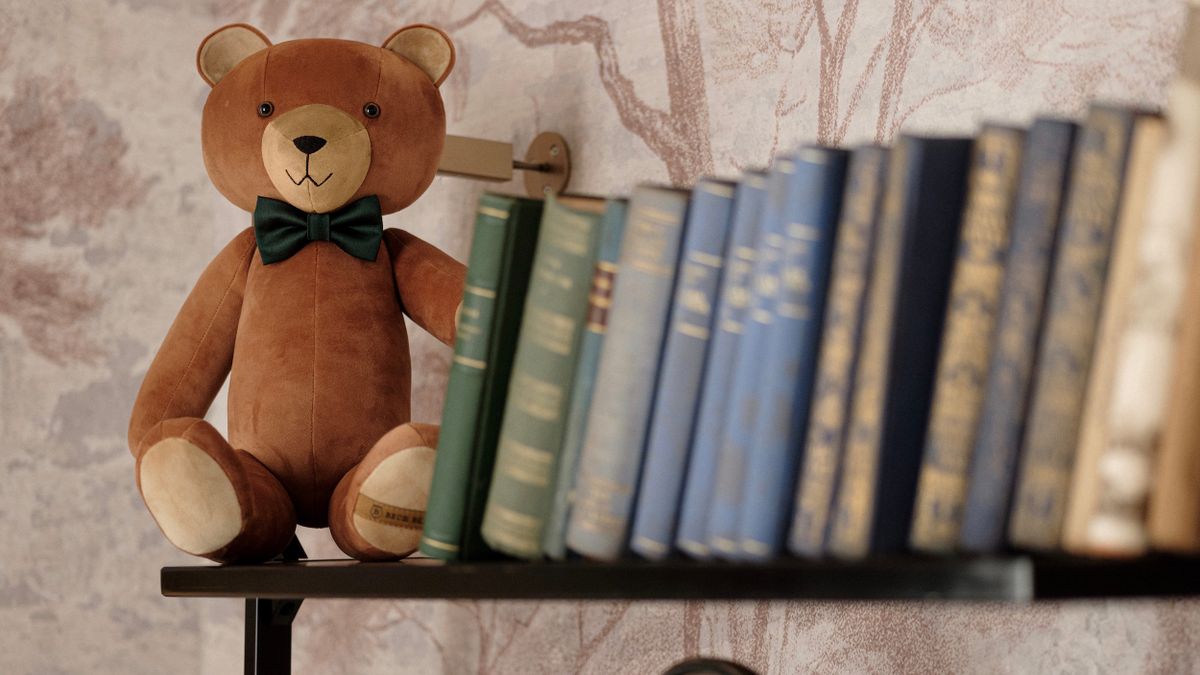
In 1926, A.A. Milne and illustrator E.H. Shepard introduced the world to a bear of very little brain and a great deal of charm. A century later, Winnie-the-Pooh is still one of the best-loved characters in children’s literature, and the centenary has sparked fresh interest in the original books. For collectors and fans, a vintage Winnie-the-Pooh first edition is a way to own a piece of that history.
Part of what makes these books special is the partnership behind them. Milne’s gentle humor and Shepard’s delicate line drawings, many of them sketched in Ashdown Forest, created a world that feels both timeless and very English. Collectors often say that holding an early copy, with its original typography and illustrations, brings readers closer to how the stories were first enjoyed by families in the 1920s.
The Pooh stories were published across four books in just a few years. Here is how they fit together and what to look for in each.
A Short Timeline of the Pooh Books
| Year | Title | Why it matters |
|---|---|---|
| 1924 | When We Were Very Young | Milne’s first poetry collection, where Pooh first appeared in print |
| 1926 | Winnie-the-Pooh | The first book of Pooh stories, now 100 years old |
| 1927 | Now We Are Six | A second poetry collection, first printing of 50,000 |
| 1928 | The House at Pooh Corner | The final Pooh book, which introduced Tigger |
| 2026 | 100th Anniversary editions | Facsimiles marking the centenary |
The Books to Look For
Each of these vintage children’s books has its own appeal, from the very first appearance of Pooh to modern anniversary facsimiles.
Winnie-the-Pooh by A.A. Milne (1926 First Edition)
The centerpiece of any Pooh collection. A true first edition states “First published in 1926” on the copyright page, and the first-issue dust jacket is priced “7/6 Net” on the spine. The trade first edition ran to 35,000 copies, but there were also two far scarcer limited editions: 350 large-paper copies on handmade paper in the UK, signed by both Milne and Shepard, and a US limited edition of 200 numbered copies plus 26 lettered ones, also signed.
The House at Pooh Corner by A.A. Milne (1928 First Edition)
The second and final book of Pooh stories had a first printing of 75,000 copies. It is the book that brought Tigger into the Hundred Acre Wood and ends with the bittersweet farewell between Christopher Robin and Pooh. Finding it alongside a 1926 Winnie-the-Pooh lets you pair the two story collections on your shelf.

When We Were Very Young by A.A. Milne (1924 First Edition)
Before Pooh had his own book, he appeared in this poetry collection in a poem called “Teddy Bear.” Illustrated by Shepard, it is the starting point of the Pooh story and a favorite with collectors who want the earliest printed appearance of the bear.
Now We Are Six by A.A. Milne (1927 First Edition)
Milne’s second poetry collection was printed in a first run of 50,000 copies. Its gentle verses and Shepard’s drawings complete the set of four Pooh books, and collectors often aim to bring all four together in first edition.
Winnie-the-Pooh 100th Anniversary Edition (2026)
For readers who want the look of the originals without the rarity, the 2026 anniversary facsimiles feature gold-foiled slipcases and restored color illustrations. They make an elegant gift and a lovely reading copy for a new generation.
Many collectors begin with a single title and gradually build toward the complete set, which keeps the hunt enjoyable over months or years rather than a single purchase.
Spotting a True First
- Check the copyright page for the original publication date and no later printing statements.
- Look for first-issue dust jackets, such as the “7/6 Net” price on the 1926 Winnie-the-Pooh.
- Note whether a copy is a trade first or a signed limited edition, as the two differ greatly.
- Read seller descriptions carefully for condition notes and any restoration.
Condition and edition vary widely from copy to copy, so it pays to compare several listings of the same title before deciding, and to ask sellers for extra photos of the copyright page and jacket.
Closing Thoughts
The Pooh centenary is a perfect moment to begin or complete a collection. Whether you are after a signed 1926 first, the full quartet of original books or a beautiful anniversary facsimile for a child’s bookshelf, there is a Pooh book for every collector and every reader. Take your time, learn the details that set true firsts apart, and enjoy the search for your own rare Winnie-the-Pooh book.
First editions of all four of Milne’s Pooh books, along with the new anniversary editions, are listed on AbeBooks, a marketplace that brings together independent booksellers from many countries. Its collectors’ features, including a guide to a century of rare Winnie-the-Pooh finds, help explain what separates a trade first from a signed limited edition. Whether you want a reading copy or a centerpiece for your shelves, you can compare editions and conditions from many sellers in one place.
For more gift ideas and reading recommendations, visit BlogsBuddy.