

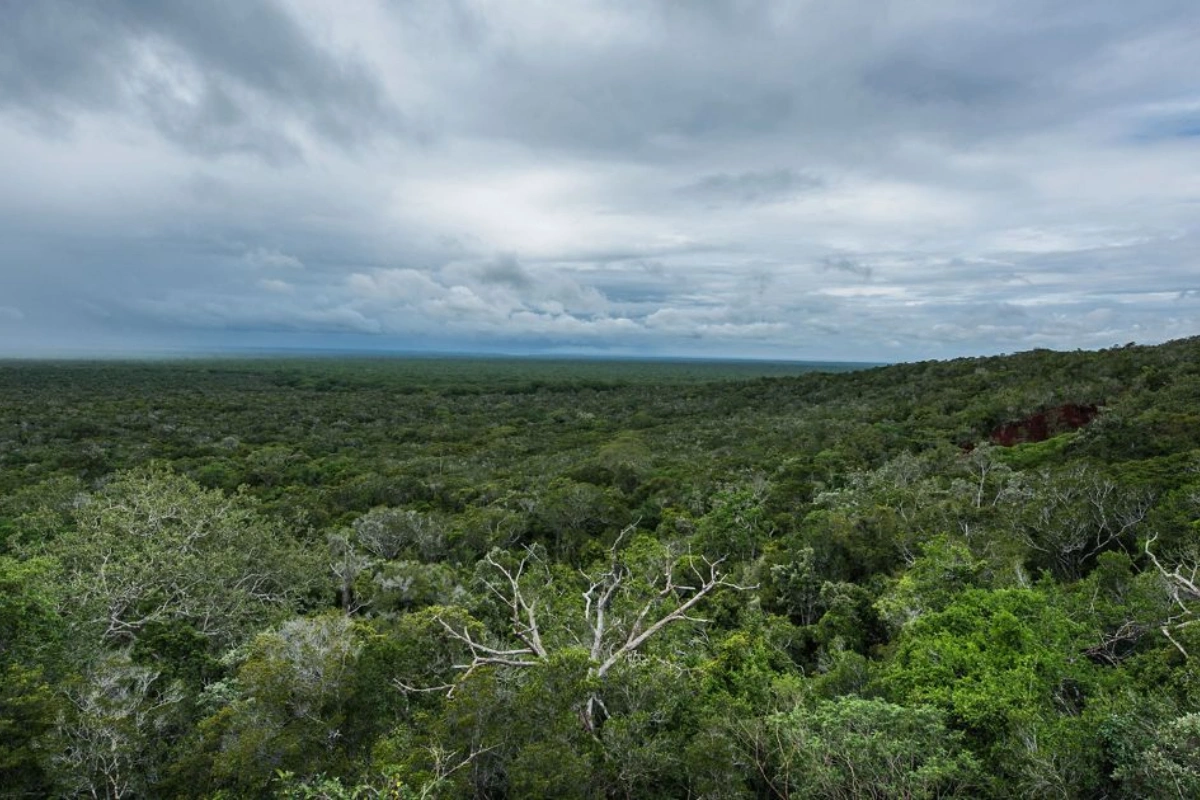
Most tourists tend to imagine Africa in the context of savannah grasses, desert dunes, and game parks. But a large part of the continent is enclosed by fertile forest land with some unique ecosystems, wildlife, and populations that have lived on the land for centuries. Visitors are frequently surprised to hear that these settings are good travel experiences in more than what is usual in the stories of the popular safari reading. Forest areas bring with them a sense of mystery, ecological wonder and cultural immersion which should be addressed more.
This guide will initiate first-time visitors to the surroundings of the African Forest and cause them to recognise what makes those regions so special and the way they ought to deal with them as accountable explorers. The African wooded area has not only the simplest biodiversity and tradition but also experiences which can be unprecedented by means of any other location in the world. The knowledge of travel options, the environmental concern and the planning strategies will make any trip to the African Forest significant and honourable.
We can start by learning about the sceneries tourists visit in exploring the African Forest.
The revel in starts with context after which proceeds to revel in.
Ecology and Biodiversity of the African Forest
The African Forest covers more than one area, developing ecological belts which can be densely inhabited by way of the natural world, indigenous cultures, rare species of vegetation, and critical reserves of carbon. One of the most familiar areas is the Congo Basin, with the second largest tropical rainforest in the world after the Amazon. Their biodiversity and contribution to climatic fitness inside the international community result in their being noted in academic conservation materials about Africa rainforests. Tourists within the African Forest enjoy both the lowland woods and the misty highlands, river basins, and montane ridges.
The African woodland additionally provides wildlife inclusive of gorillas, chimpanzees, woodland elephants, exceptional birdlife and unique insect groups. Most visitors who have never been there are shocked by the fact that the dense plants can rapidly change into open clearings, river systems or traditional villages. African forests guide may be a source of wildlife observation and cross-cultural experience, whereas learning in schools may serve as a formal source of knowledge on environmental protection and native ecological wisdom.
Tourists wishing to explore the African Forest usually enjoy pre-designed tours that focus on responsible tourism, community-based tours, and seasonal tours. These strategies will help make the African Forest not a mere far-fetched idea but a viable travelling experience to promote ecological consciousness and culture.
Pro tip: Ecosystem tours enable the tourist to grasp conservation activities in the area and encourage sustainable engagement with the African Forest.
Regional variations assist in developing the experience of the travelers in the forests over the borders once the ecological context has been established.
Popular Travel Highlights in the African Forest
The African Forest is not a single region, however a machine of forest belts, which can be exclusive in climatic situations, altitudes, and cultural impact. Central Africa boasts of a number of the biggest and greatest tracts of forests, which are often placed within the Congo Basin. Western areas expose tourists to cultural crossroads and river-based communities which define everyday existence. These interesting backgrounds are usually featured in Africa forest travel literature because they are easily accessible and culturally rich.
The eastern highland forests beyond the central belt are also a source of views, volcanic slopes, and primate habitats, which are of interest to wildlife enthusiasts. Others of these locations are found in eco-orientated travel packages in Africa nature regions because of their conservation and biodiversity. Victims visiting highland parts of the African Forest are likely to experience mist-filled canopies, crater lakes, and cooler climates that are a contrast to lowland humidity.
Highlights may be popular in other forest areas and may include:
- Primate trekking experiences.
- Guided walks and forest canopy walks.
- Cultural excursions along the river.
- Botanical viewing tours and research centres.
Once choosing the highlights in a region, tourists need to understand how to prepare for the practical side of African forest travel.
Practical Tips for Traveling in the African Forest
Those who visit the African Forest for the first time are also advantaged by logistics, timing and safety preparation. Forest ecosystems entail the consideration of footwear, weather conditions, hydration, and guided assistance. Structured tours are followed by many of the visitors since the forest navigation may not be easy without the experience of the locals. Such itineraries can be found on the websites of Africa forest tourism and usually entail wildlife tracking, cultural tours, and entry ticket into the protected areas.
Developing a travel plan takes place by establishing the area of the Africa natural regions that is of interest to the traveler. Wildlife travelers may be interested in gorilla or chimpanzee hiking regions, whereas cultural tourists can pick out communities that inhabit forested riverbanks or villages inside the highlands. The time of the year is also important: the rainy seasons can also have an effect on access and visibility of the trails, so dry months are a better time to have a first enjoy inside the African Forest.
The major planning aspects are:
- Climate and seasonal timing
- Rules of access and guided entry.
- Packing lists and equipment requirements.
- Bodily fitness and trail anticipations.
- Proper attention to the communities and wilderness.
Realistic training is what separates the daunting project and a fulfilling first experience of the African forest.
Plan Your African Forest Travel
When you are considering a trip in the African Forest, careful planning enhances exploration to something informative, more encompassing, and moving.
To make the most of your visit:
- Choose areas that suit wildlife, culture or research.
- Enhanced tours are safe and give ecological explanations.
- Striking a balance between environmental learning and cultural respect.
- Get ready to face the change of the weather and other difficulties in terms of terrain.
Pro tip: This is because multi-day itineraries will provide more exposure to the African Forest to the traveler who may be interested in exploring the forest beyond the superficial view.
Preparation opens up the way to travel with the African Forest, which is memorable and meaningful to the environment.
Conclusion
The African forest is still one of the most diverse and multilayered ecological areas of the earth. To visitors who have never visited the areas, entering these forest areas ushers them into a world of biodiversity, conservation issues, and the human heritage which dates back thousands of years. The guided interpretation of the African Forest makes the travelers aware of the importance of the forest plant life, wildlife pathways, and traditions associated with the land by the communities. These are some of the experiences that explain why the African Forest must be focused on not only by scientists but also by interested travelers across the world.
With curated access, sustainable trekking, and local excursions to be had via Viator, exploring the African Forest will become handier for the ones ready to begin their adventure. Travelers who have interactions respectfully with the African Forest often return domestic, having gained new insights into ecological balance, cultural edition, and the need for conservation in an unexpectedly converting international.
Discover extra significant trips, journey insights, and nature-targeted destinations with BlogsBuddy — wherein inspiration meets clever travel discovery.