

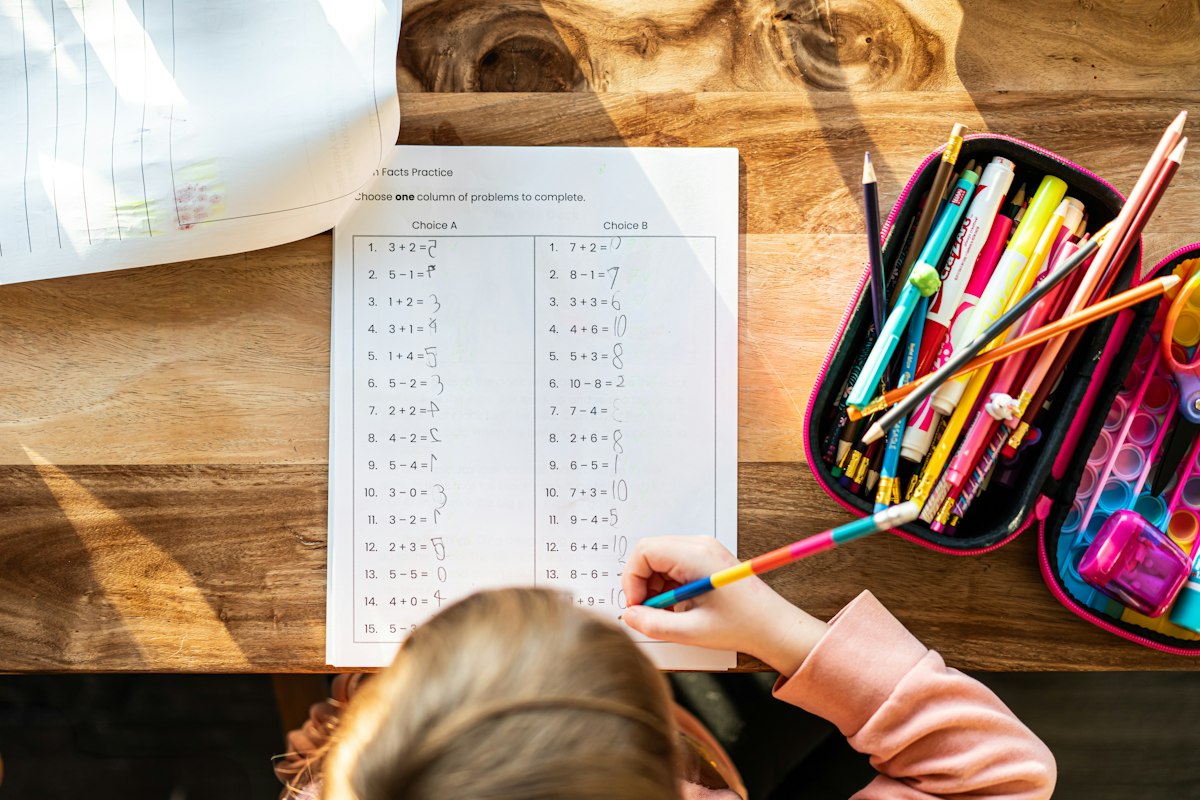
Third grade is the year math gets real. Multiplication and division arrive, fractions show up for the first time, and numbers stretch into the hundreds and thousands. Kids who keep up with short, regular practice tend to sail into fourth grade, while those who fall behind often spend the next year catching up. A stack of third grade math worksheets at home is one of the most practical ways to keep that practice going without turning every evening into a battle over homework.
The trick is choosing sheets that match what the class is actually covering, then keeping each session short enough that your child finishes feeling capable.
What third graders learn in math
| Skill area | What it looks like in third grade |
|---|---|
| Multiplication and division | Learning facts within 100 and understanding how the two operations relate |
| Addition and subtraction | Fluency with numbers up to 1,000, including regrouping |
| Place value and rounding | Rounding to the nearest ten and hundred |
| Fractions | Understanding fractions as parts of a whole and spotting equivalent fractions |
| Measurement and data | Time, area, perimeter and reading bar graphs and picture graphs |
Most of the sheets below line up with the first four rows, which are also the skills that tend to cause the most homework stress.
Six worksheets worth printing this month
Each of these printable math worksheets can be printed or completed online as an interactive version, which is handy for kids who prefer a screen.
1 Minute Math: Multiplication
A timed drill packed with multiplication problems to finish in a single minute. It builds quick recall of facts, and kids love trying to beat their own score from the day before.
Best for: children who know their facts but still count on their fingers.
Add Three-Digit Numbers
Steady practice adding three-digit numbers within 1,000. It reinforces place value and carrying, two skills that support almost everything else in third grade math.
Best for: kids who mix up the ones, tens and hundreds columns.
Review Three-Digit Subtraction
A thorough review of two- and three-digit subtraction, including problems that need regrouping. It works well right before a unit test or after a school break.
Best for: children who find borrowing across zeros tricky.
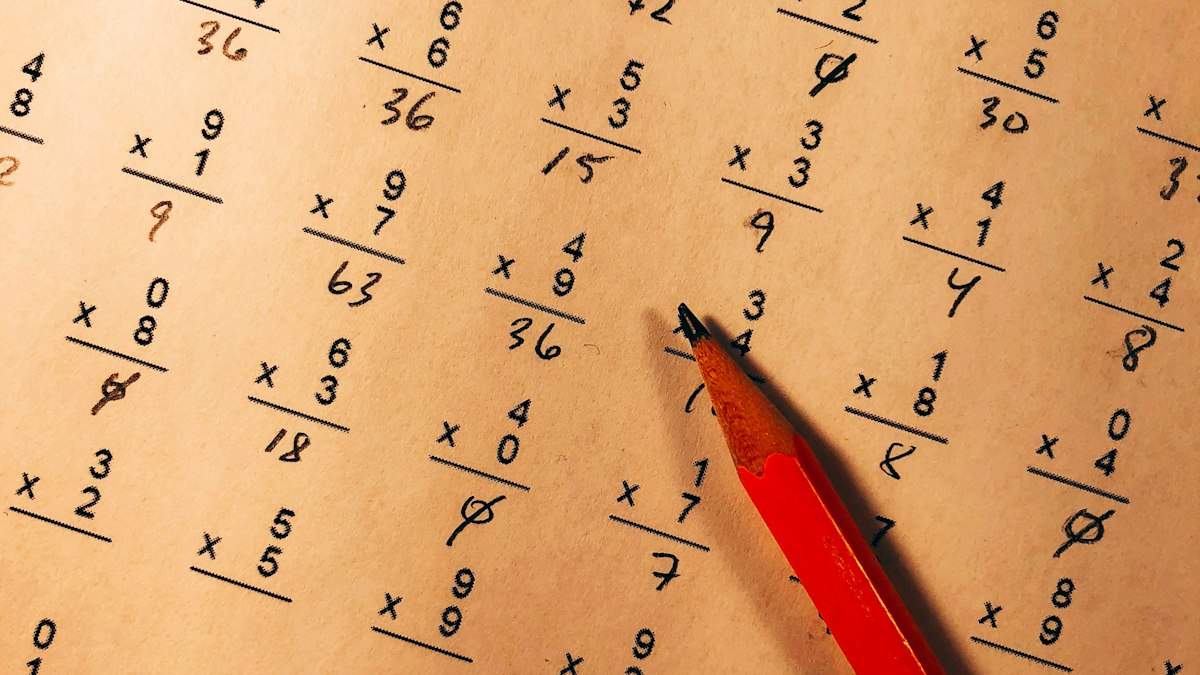
Rounding: Round ‘Em Up!
Kids practice rounding to the nearest ten and the nearest hundred, a skill that also helps with estimating answers and checking their own work.
Best for: building number sense and mental math.
Equivalent Fractions
Students identify and write equivalent fractions, a first step toward comparing and adding fractions in later grades. Visual models help the idea click, which makes it a good first pick among fractions worksheets for this age.
Best for: introducing fractions in a calm, step-by-step way.
Division Dash
Forty division problems where kids find each quotient. It is a solid stamina builder once basic division facts are in place, and it pairs nicely with the multiplication drill above, since every division fact is a multiplication fact in reverse.
Best for: confident learners ready for a longer multiplication and division practice session.
Printable or interactive?
Both formats have a place. Printed sheets are ideal for showing work, drawing models and practicing neat number writing, which teachers still look for in third grade. Interactive versions give instant feedback and suit kids who lose focus with pencil and paper. Many families use printouts on weekdays and the online versions on weekends or while traveling, so practice continues without much setup.
Making worksheet time stick
- Keep it short. Ten to fifteen focused minutes beat an hour of tired guessing.
- Follow the classroom. Ask the teacher which unit is coming next and practice it a week early.
- Mix in review. Add one older skill to each session so earlier lessons are not forgotten.
- Celebrate speed and accuracy. A sticker chart or a personal best on the timed drill keeps motivation high.
- Talk through mistakes. Asking your child to explain an answer often reveals the real misunderstanding.
Final Thoughts
Third grade lays the foundation for multiplication, division and fractions, and a few minutes of focused practice each day makes a lasting difference. With the right sheets on hand, home practice feels like a quick routine rather than extra homework. Education.com offers all six of these worksheets and many more, from preschool to eighth grade, and its Premium membership adds guided lessons and progress tracking so you can see which skills need more math practice at home. Looking for more ideas for busy families? Browse the latest guides on BlogsBuddy.