

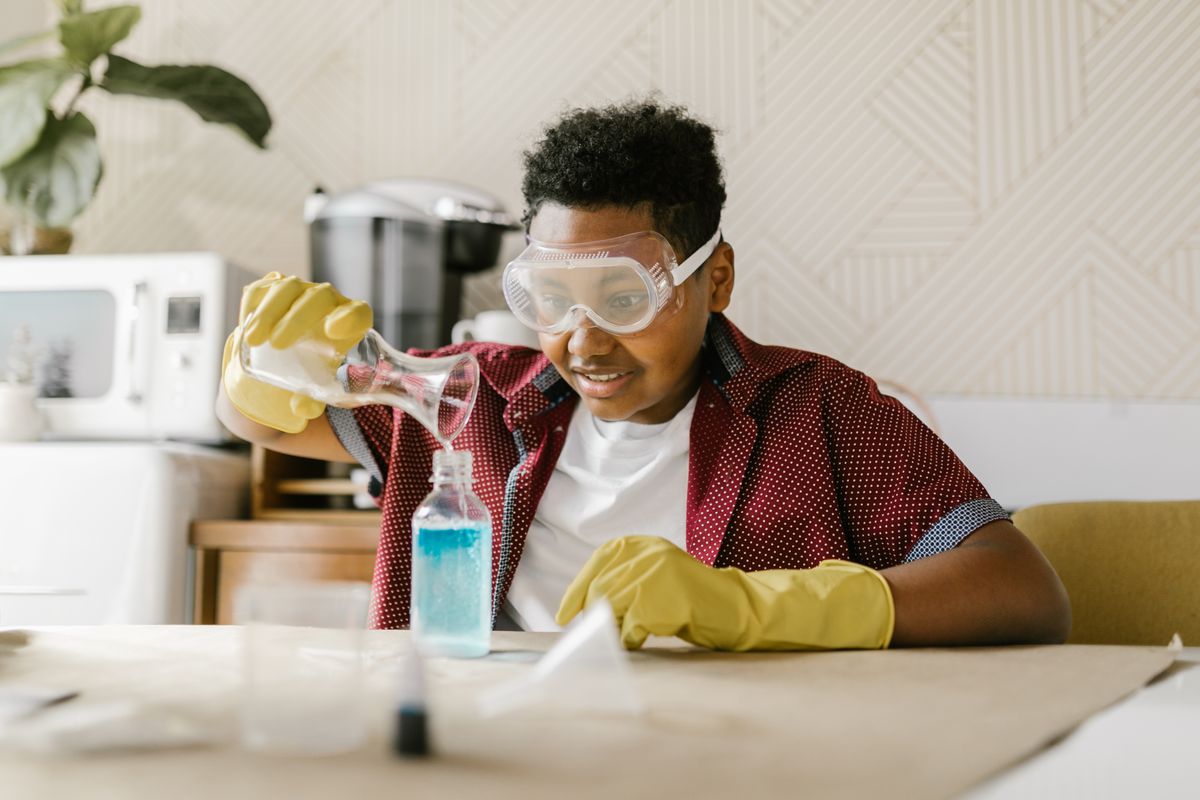
The science fair notice comes home, and the first question in most households is the same: what on earth should we do? The best projects for elementary students use household materials, answer a question kids actually care about and leave room for them to do most of the work themselves. A well-chosen science fair project teaches the scientific method in a way no textbook can, because your child gets to predict, test and see the result with their own eyes.
Below are six tried-and-tested experiments for grades two through five, each with clear materials and steps.
Picking the right project in four steps
- Start with curiosity. Ask what your child wonders about, such as electricity, ice, space or chemical reactions.
- Check the materials. Choose an experiment that uses things you already have or can find at a grocery store.
- Match the grade. A project slightly above grade level is fine, but the student should be able to explain every step.
- Plan the timeline. Some experiments run in an afternoon, others need a few days of observation.
Six experiments to try at home
Every one of these science experiments for kids comes with a materials list and step-by-step procedure.
How to Make a Lemon Battery
- Grades: third to fifth
- You need: a lemon, copper wire, a galvanized nail or steel paper clip, and an adult helper
- Kids learn: how a battery produces electricity from a chemical reaction
A classic that never fails to impress judges, and it naturally leads to follow-up questions about other fruits.
Bounce an Egg
- Grade: third
- You need: a hard-boiled egg, plain vinegar, plastic wrap, paper and a pencil
- Kids learn: how vinegar dissolves an eggshell, and how to follow the scientific method
After a few days in vinegar the shell disappears and the egg becomes rubbery enough to bounce gently.
Hero’s Engine
- Grade: second and up
- You need: a plastic cup, two bendable straws, string, modeling clay and water
- Kids learn: Newton’s third law of motion through a spinning, water-powered engine
As water pours out of the bent straws, the cup spins the opposite way, a clear demonstration that every action has an equal and opposite reaction.
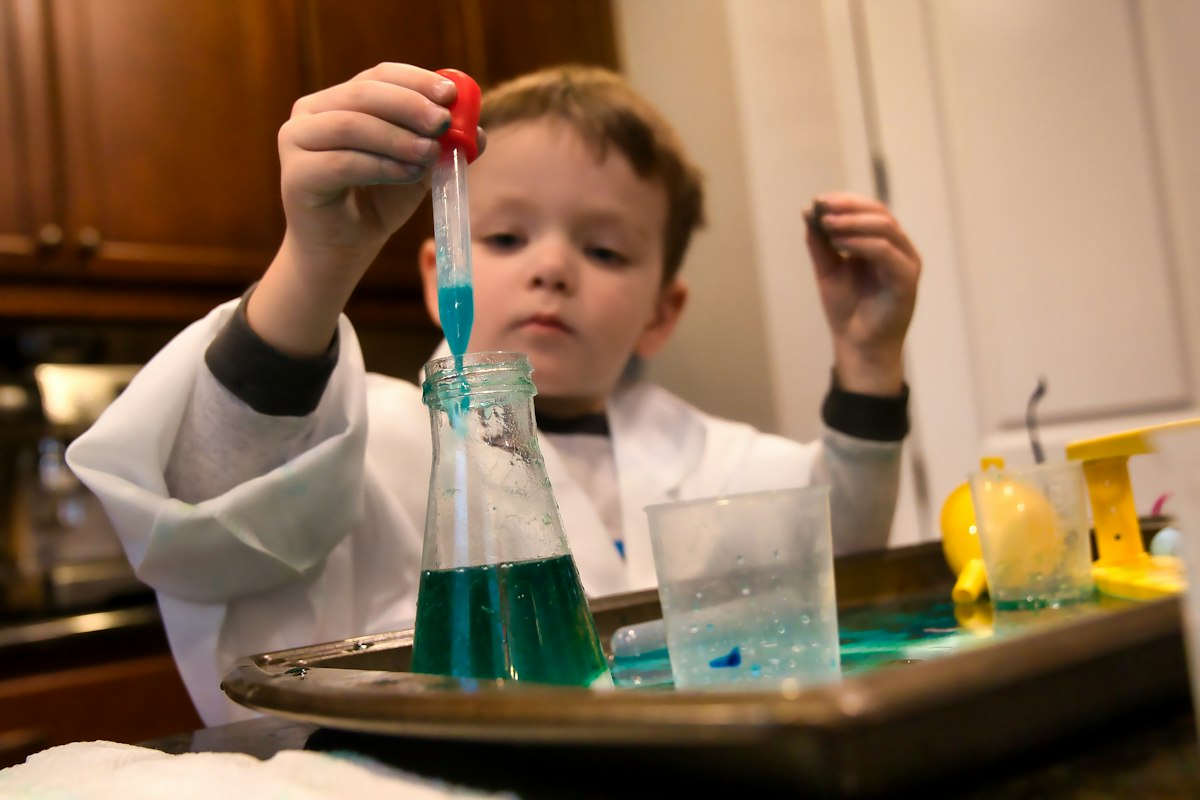
Self-Inflating Balloons
- Grade: fourth
- You need: a water bottle, vinegar, a small balloon, a funnel and a teaspoon of baking soda
- Kids learn: how a chemical reaction produces a gas
Watching a balloon fill up on its own is pure magic for younger siblings, too.
Ice Melting
- Grade: fifth
- You need: ice trays in cube, crescent and rectangle shapes, three clear cups and a clock
- Kids learn: whether shape affects how fast ice melts, plus careful timing and recording
It is a strong pick for kids who like measuring, and it is easy to extend by testing crushed ice or adding salt as a second variable.
What Causes the Phases of the Moon?
- Grade: fifth
- You need: a cardboard box, a foam ball, string, a desk lamp or flashlight and a dark room
- Kids learn: how the positions of the Sun, Earth and Moon create each phase
The finished model doubles as an eye-catching display on fair day.
A quick safety checklist
Even the friendliest science fair ideas deserve a little supervision. Keep an adult nearby for anything involving boiling water, wire stripping or a craft knife, cover the table before working with vinegar, and have kids wash their hands after handling chemicals or wire. These small habits keep the focus on discovery.
Turning the experiment into a winning display
Judges look for a clear question, a prediction, a fair test and honest results. Encourage your child to write the hypothesis before starting, record measurements in a table, and take photos at each stage. A tri-fold board with the question at the top, the method in the middle and a neat chart of results tells the story at a glance. Most important of all, let your child practice explaining the project out loud, because judges love students who can talk about what surprised them.
The Takeaway
A great science fair project does not need fancy equipment, only a good question and a willingness to test it. Lemons, eggs, balloons and a flashlight can spark a lasting love of science. Education.com hosts all six of these experiments and a large library of elementary science projects, alongside worksheets and games for every grade. Science night sorted? BlogsBuddy covers plenty more of what keeps a busy household running.