

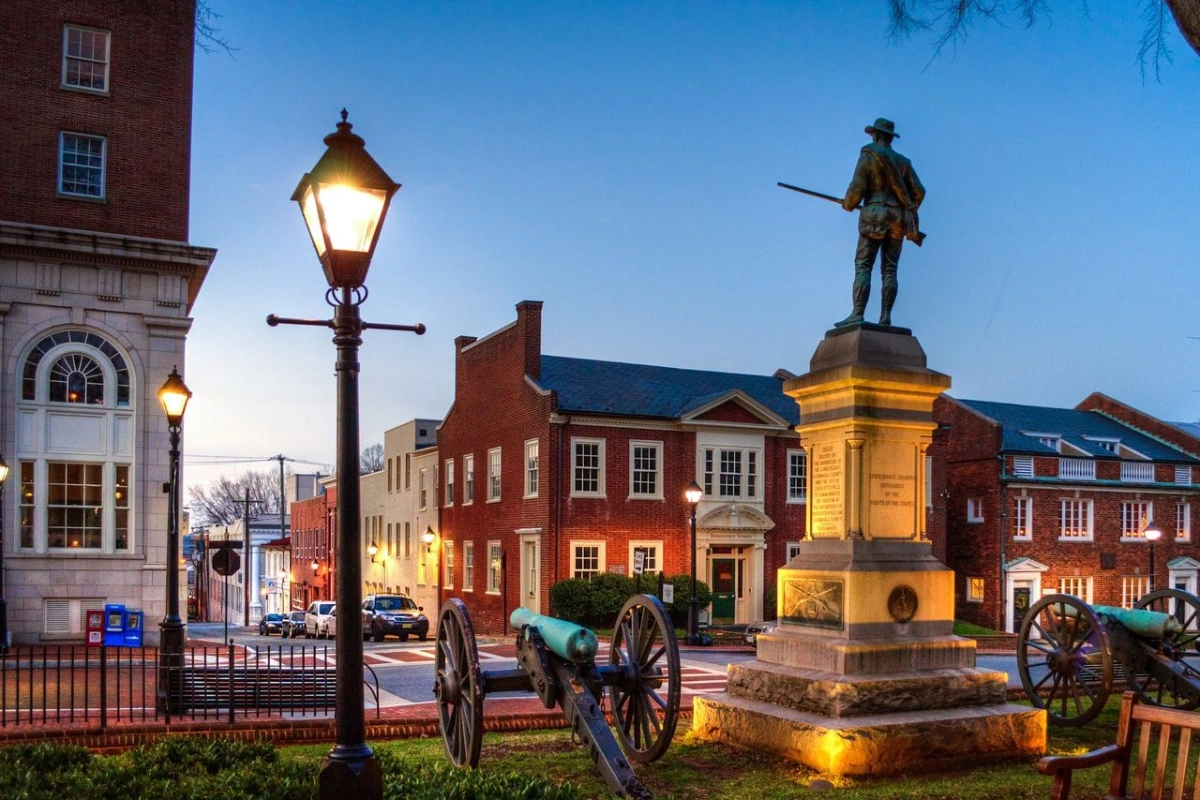
When was the last time you had a possibility to discover a city where presidents lived, revolutions passed off and cultural actions are still sounding inside the galleries and within the antique estates? Charlottesville has just that. The city enables one to discover the American heritage surprisingly broadly between its university architecture, presidential homes, and artistic archives. Those who want to have a meaningful experience will soon find out that there is more than meets the eye to museums and historic sites in Charlottesville, which, however, narrate the stories that not only defined the state but also the nation.
In this blog, we will discuss the best museums and historic sites that you should visit on your next visit. You will get to know why Charlottesville is the most interesting cultural destination, how the attractions combine education and beauty, and why so many people want to visit it again. They are expected to lead the curious traveler into the most enriching museums and historic sites as well as provide useful planning tips in the process.
Now we will explore in more detail the storytelling ability that the museums and historic sites of Charlottesville have.
How Presidents Shaped Charlottesville’s Heritage
The records of the American presidency are associated with a number of the most effective museums and ancient websites in Charlottesville. Thomas Jefferson lived in Monticello, which has been among the most popular estates in the region and is still renowned the world over because of its architectural creativity. The property portrays the position not only of Jefferson as a political thinker but also as an architect, inventor and designer of farmland. This renders Monticello as one of the most detailed museums and historic sites in the process of comprehending the identity of early America. The Highland estate of James Monroe is right next door and offers a different view of the life of a president, thus concluding a cultural triangle that a person interested in visiting the museums and historical sites in Virginia.
The recent reports on tourism reveal that the visitor demand in president heritage travel has been on the increase, especially among travelers who claim cultural and educational heritage. This trend aids in continued conservation that ensures that the museums and historic places remain open to some future generations of scholars, tourists and students. There is no need to elaborate; these attractions during the presidential era alone render Charlottesville sightseeing as a top destination for every person planning itineraries based on the museums and historic sites around the Mid-Atlantic region.
ProTip: It is recommended to schedule presidential house tours in the morning since such museums and historical landmarks are likely to be busier in the middle of the afternoon in the seasons of spring and high season in summer.
Having discussed the presidential heritage, it is time to mention cultural treasures that make the artistic and the academic aspects of Charlottesville alive.
Art, History, and University Heritage in Charlottesville
In addition to political chapters, the artistic and academic community are involved in the city, which adds a lot to the culture of the city. The most interesting places of worship and historic sites include museums of visual art, local history, and collections organized by the university; there are attractions where the traveler can explore the in-depth details.
Notable examples include:
- The Fralin Museum of Art: This group is at the University of Virginia, and it’s an aggregate of rotating exhibitions and a permanent collection.
- Kluge-Ruhe Aboriginal Arts: It is the only museum no longer positioned in Australia that is particularly dedicated to Indigenous Australian art.
- Historic Court Square: An intact city surrounding that changed into an altered one over centuries of regulation and civic and social transformation.
These exhibits show the way that museums and historic locations go beyond national histories and emphasise international, creative, and scholarly voices. This is also one of the reasons why Charlottesville is a good destination among those who want to have a greater cultural experience. Meaningful Charlottesville attractions are provided in the city to individuals that desire to have an immersive education coupled with picturesque architecture.
As we have developed the cultural aspects, it is time to turn to realistic planning advice to visit places of learning and cultural heritage buildings.
Things to Know Before Exploring Museums & Sites
When making plans for a journey to the museums and historic locations in Charlottesville, it is easy to visit the website online, contemplating some realistic steps. These tips help in making satisfactory use of time, escaping the crowds, and making faultless itineraries.
Key planning points:
- Choose Themes: You can choose between presidential estates, university culture or art collections to reduce the number of pertinent museums and historic sites.
- Plan for Seasonality: Most museums and historic sites have the seasons of their work, particularly outdoor estates and gardens.
- Reserve Tickets: Popular historic sites and museums have time-entry reservations, especially Monticello.
- Explore Walkable Zones: Downtown areas have a variety of museums and historic places of interest that can be conveniently walked to.
- Use Guided Tours: Professionals improve narration in museums and historic places, and this makes the experience more interactive to the educational tourists.
These tips will enable the visitor to experience the cultural Charlottesville without much guessing and wastage of time. Another group that is interested in the area is heritage Virginia lovers that devoted their time to both the research and the vacation.
The preparation has been made easier, so now it is time to end with some of the major advantages for the travelers to heritage-based tourism.
Planning Your Heritage Tour
Visitors to Charlottesville get access to some of the most fulfilling museums and historic places in the area. Key takeaways include:
- The city is an amalgamation of presidential gardens and scholarly art areas.
- The best museums and historic sites are highly educational.
- The landscape and architecture enhance the experiences of the travelers.
- There is a great number of spaces that facilitate continued preservation and research.
- Heritage tourism has a positive influence on tourism and the access to culture.
Pro Tip: This can be done by visiting several museums and historic sites in a single day, though planning them geographically rather than thematically to save some time.
With this understanding, now we shall sum up as to why Charlottesville is important to cultural tourists.
Conclusion
Charlottesville is among the most gratifying cities in Virginia to people who appreciate heritage-based tourism. Museums and historic sites, including Jefferson at Monticello and the university collections and historical squares, can be used to explain how historical heritage influences the current cultural identity. Tourists take away a more contextualized picture of the place, an appreciation of architecture, and a better idea of the social movements that have traversed the area. These museums and historic sites are not just tourist attractions but open classes to all people who may be interested in learning more about the past.
Viator also has guided tours so that the individual who prefers to have someone guide them can directly relate to the most important museums and historic places of Charlottesville. Such experiences combine skills of professional interpretation and comfort and transform cultural travelling into both entertaining and enlightening.
You can find more fascinating cultural travel stories and heritage-based destinations to explore, and you can do so once again by visiting BlogsBuddy and having your curiosity keep you going.