
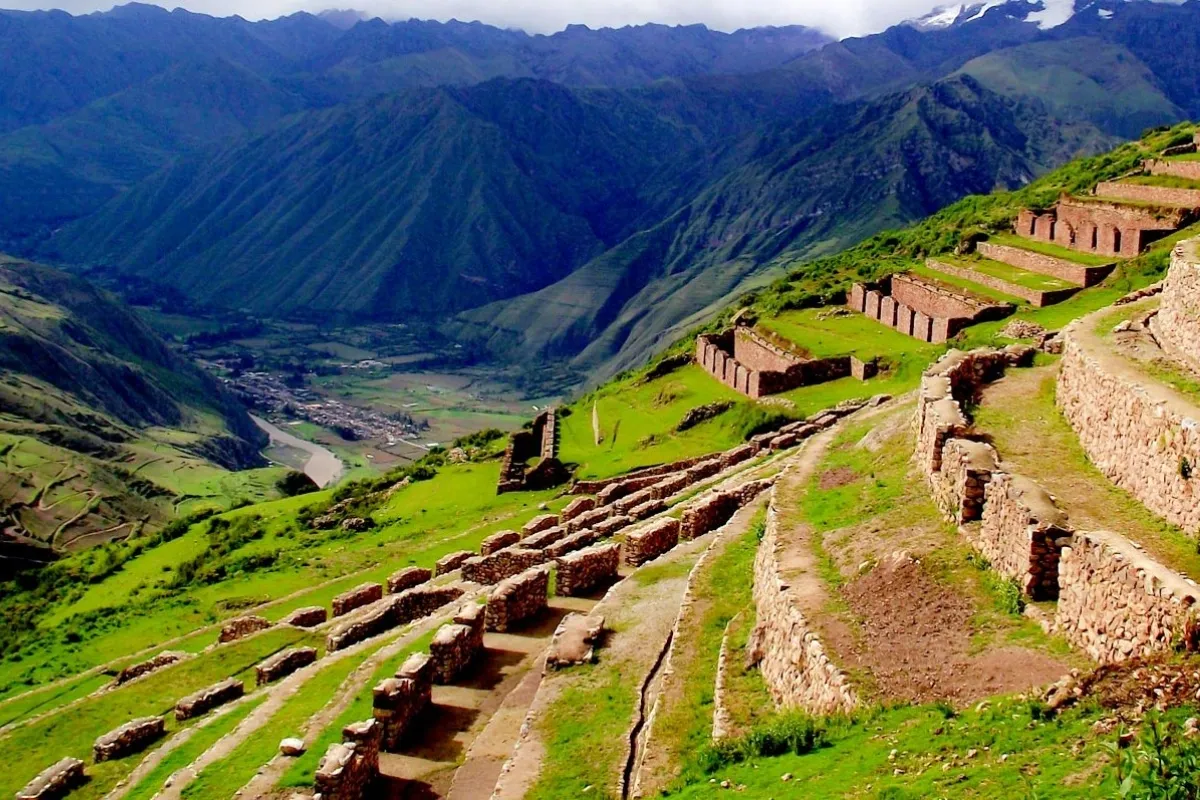
You get a moment that hits you in Cusco when you typically stop together with your foot in the middle of the walk and are gazing at the stones that have been stacked so well over the centuries that you can elaborate that this is not merely sightseeing.May be it is a shambling, awe-inspiring Inca history that will filter down into your bones. From the intricacy of stonework to the stories whispered by every corner, Cusco itself feels like a living museum of Inca history. Cusco is not just a beautiful city; it was once the capital of an empire; and stretching between Cusco to Sacred Valley lies a kind of life book, written in stone, cloud upon cloud.
Inca History Highlights Worth Experiencing First
1. Cusco: Where the Past Still Breathes
This fact will be explained by any decent Cusco travel guide, and the fact that Cusco was at one time the capital of the Inca Empire feels here like it was being grossly understated indeed. There will be colonial structures lying on the foundations of Inca, and this is a visual reminder of how Inca history cannot die. As you stroll around Cusco tourist attraction sites such as Sacsayhuamana, you cannot help but ask yourself: how then did they transport these huge stones without modern machines? Like a genial ghost, that question trails you everywhere.
Cusco is also a film that establishes the emotional mood to know the Peru Inca heritage. It is not dull or remote; it is living. Local people speak their Quechua, customs become a natural aspect of life, and then Inca history does not seem old anymore. It feels present.
2. The Road from Cusco to the Sacred Valley
The journey from Cusco to Sacred Valley is less about distance and more about change. Color is blended into the air, attractiveness into the land, and cinematic into changeable landscape. This way would make you believe that this is exactly what the Incas were doing when they settled in this area. Formidable mountains, fertile land and sparkling rivers that remember that they are in some kind of secret – this was a genius of strategy that was made by Inca history.
Small villages along the way, like mute narrators, emerge. The markets are intended colours, and one can just feel the caravans that used to pass by carrying goods, news and rites which had deep historical backgrounds of the Inca.
3. Sacred Valley Attractions: More Than Ruins
The Sacred Valley attractions cannot be explored more quickly. Sites such as Pisac or Ollantaytambo are postcard perfect but what’s more amazing is their engineering and spirituality. Terraces rest on mountainsides with almost unbelievable grace, and temples are constructed with solar alignment that left the experts scratching their heads.
Inca ruins Peru shine in this location. You do not simply see them; you touch them. When you are in the midst of these rocks, you can feel the wisdom, patience, and admiration of nature that were present in Inca history. It’s humbling, honestly.
4. Sacred Valley Tours and the Stories They Tell
A couple of Sacred Valley tours can provide some additions, which you will not have when solo travelling. An effective guide does not merely recount dates; he or she recounts stories. They discuss farming innovation, religion, and life in general, which makes the Inca history something human and familiar. It is suddenly not just that they are terraces but survival strategies. Those are not temples; they are dialogues with the universe.
The most surprising thing about travellers is the emotional aspect of it. You are not only learning about facts; you are experiencing Peru Inca heritage in a personal and, almost, intimate way.
5. Cusco and Sacred Valley: A Shared Soul
You cannot discuss one without the other. Cusco and Sacred Valley are connected for geographical and cultural reasons and centuries of mutual purpose. They are all parts of one story of the history of the Inca, the imperial power and agricultural genius and the depth of the spirit.
You begin to see the patterns: the way cities match the mountains, the way the ways are planned along the natural shapes, and the way all this appears purposeful. That Inca history stretches without the necessity to raise a cry.
Why Inca History Still Matters
The point is this – Inca history is not a story of the past; it is a past teaching. The Incas have accomplished incredible things, without damaging the environment, creating cities and agriculture with a wise foresight and nurturing good communities. Their admiration of the land and harmony with nature comes out rather timely nowadays.
When you visit the Cusco sightseeing sites and stroll around the Sacred Valley sites, you may find yourself thinking, We could learn a few things like this. That is the strength of Inca history; it stays long after the taking of photos.
Conclusions: Strolling Living History.
By the time your journey through Cusco and the Sacred Valley winds down, something subtle but powerful shifts inside you. You are no longer a traveller who comes to check items on the list and has seen centuries of hardship, resourcefulness, and faith. The Inca history on its part has a silent manner of switching up your priorities and making you take your time and look at it, at how smoothly stones that are supposed to move come to their places, at how the mountains are not in vain, nearly protective.
It makes you remember that greatness does not have to scream at you; sometimes it comes with old-fashioned walls, curvy roads, and traditions that simply do not want to be forgotten. In case you are going to explore this region at your own speed and understanding, Viator curated experiences could assist you in connecting the dots without losing the magic. Since not all stories are created to be hurried; rather, they are supposed to be experienced.
For more tips on city breaks, hidden gems, and cultural escapes, visit BlogsBuddy.