
How many times do you come to a place in which the engineering genius and the colonial past can be found in one urban environment? When visitors arrive at Panama City, they usually have one picture in their mind of the Panama City Canal that is known around the world. However, the capital has much more to do with the iconic waterway. The city is a blend of the ancient and the new in a distinctive and fascinating manner between redone colonial areas, new artistic museums, and the urban landscape of coastal areas.
This guide explains the experiences that first-time tourists can have in the Panama City Canal as well as the most important landmarks in the city. You will find out what to observe, how to plan and how to relate the history of the canal with the cultural diversity of the neighborhoods surrounding it. It explores the history of Panama in a variety of ways through canal perspectives and visitor centres, historic plazas and picturesque promenades.
And now we leave the engineering wizardry and concentrate upon the olden days. This is how to visit the Panama City Canal and the historic attractions of the city.
The Power and History Behind the Panama City Canal
Going to the Panama Canal is not simply sightseeing but also revelling in one of the most extensive engineering works in global records. The waterway was completed in 1914, and it converted sea transportation by way of linking the Atlantic and Pacific oceans. Prior to the Panama City Canal, vessels needed to sail around the tip of South America, which turned into a deadly number of weeks of time. The Panama City Canal continues to prove its relevance within the global logistics machine, as over 13,000 vessels pass via the canal yearly.
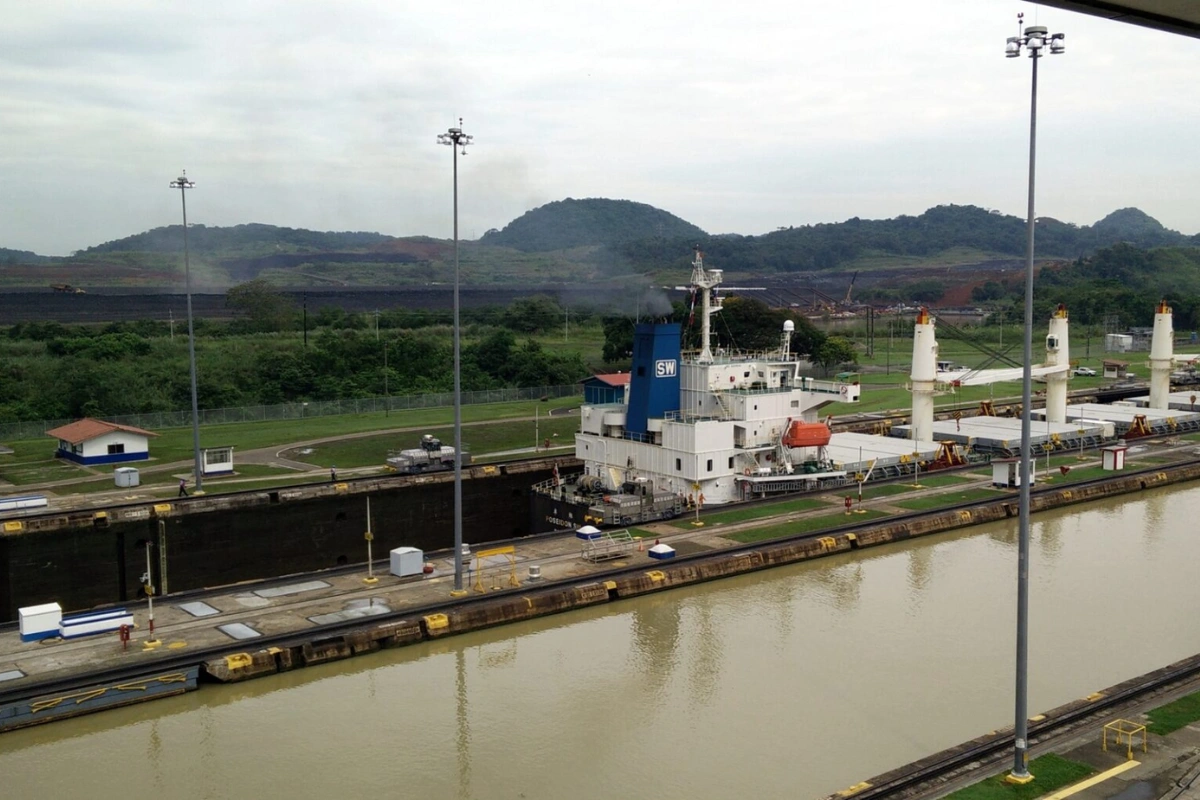
As a tourist, the most common experience that tourists have at the Panama City Canal is by visiting its various visitor centres that have observation decks whereby you can view ships travelling along through huge lock systems. Exhibits are used to explain the operational method of the Panama City Canal, the purpose of its construction and how it is still being improved to define modernity in the passage. According to the tourism records, one of the best things to do in Panama City is visiting the Panama City Canal.
The fact that it was engineered in Panama City is one of the reasons why the Canal is intriguing; however, the human contribution, the struggle between politics, and the desire of countries to establish a global presence helped shape it. This history prevents its interpretation out of context in terms of its role in the identity of the city.
Pro Tip: The best time to see ship transit at the Panama City Canal is in the early morning and late afternoon, as there is more likely to be traffic during these periods.
As soon as you have seen the contemporary miracle, the city shows me the Panama City sightseeing of its old history.
Historic Landmarks and Cultural Highlights Across the City
The capital is extremely diverse in terms of ancient neighborhoods and recovered architectural sites besides the Panama City Canal. Most of them are charmed by the nice Panama City landmarks, in particular within the UNESCO-listed area referred to as Casco Viejo. The area is a colonial district with plazas, church buildings, and authorities’ buildings, which might be centuries old.
Museums, cultural centres and the picturesque promenades are rich around walkable areas in historic sites in Panama City to attract visitors. A number of Panama City attractions also aid in bridging the gap between the past and the present by means of restoration efforts, guided narratives, and reuse of historical buildings.
The main historic highlights are:
- Colonial architecture;Casco Viejo (Old Quarter).
- Religious and civic historical Cathedral Square.
- Political heritage standpoints in the presidential palace.
- Seafront waterfronts in the city juxtaposition.
These areas demonstrate how a city characterized with the Panama City Canal is still able to maintain its culture and architecture.
Planning the exploration process is the way to unite the experience with highlights identified.
Practical Ways to Explore the Canal and City Landmarks
The Panama City Canal and heritage districts can be explored either on a guided tour, on an independent discovery, or on a designed day route by travelers. Guided Panama Canal tours (secondary keyword used once) can be the combination of transportation, historical explanation, and access to viewpoints that could hardly be achieved without guidance. In the meantime, strolling in the Old Quarter gives you the liberty to spend time, shoot, or savour cafes at your time.
In order to explore the two effectively, one of the options is to group activities according to geographical zones. The Panama City Canal is located on the outskirts of the main historic area; thus, the combination with modern coastal perspectives works well. Then spend half or even a full day exploring Casco Viejo on foot, where it is best explored.
Considerations which help in planning include:
- Visitor centre opening hours on cheques.
- Permission for transit time between the Old Quarter and the Panama City Canal.
- For historic wear, comfortable shoes.
- Bring water because of the humidity on the coast.
In this way, you may nonetheless be able to view the Panama City Canal without being disadvantaged by the cultural component of the town.
Right after the logistics are established, the trip becomes immersive and a recollection.
Plan Your Panama City Experience
In conclusion of the key aspects of this Panama City travel guide and in order to take action:
Key takeaways:
- The Panama City Canal is considered to be one of the most significant maritime engineering constructions in the world.
- Historic areas are Spanish colonial with great architecture.
- The visitor centres render the Panama City Canal comprehensible and reachable.
- Hiking tours increase the value of cultural sites.
Pro Tip: Visit cultural neighborhoods alongside the canal visits in order to have a balanced view of the city.
Your trip can now become real and sure.
Conclusion
Touring the Panama Canal and the historic areas of the city enables one to have an experience of both the cultural and engineering core of Panama. The canal also demonstrates the connectivity of the world and innovation, whereas the colonial districts that have been preserved present the centuries of history that are based on trade, migration, and political development. Taken jointly, they point out why the capital is much more than a stopover; it is a place with a rich history of overlay where modernity intertwines and embraces.
For tourists who want to plan their trips, get escorted tours, and guided sightseeing, websites such as Viator can be used, where visitors can go through canal tours, city tours, and day trips that will make travelling easier and more meaningful. Finally, the Panama City Canal mixed with the historic sites will provide a balance and an unforgettable experience in the past and present of the country.
To explore canal marvels, ancient urban guides, and cultural travelling narratives, visit BlogsBuddy again and continue exploring locations that have been moulded by time and creativity.