

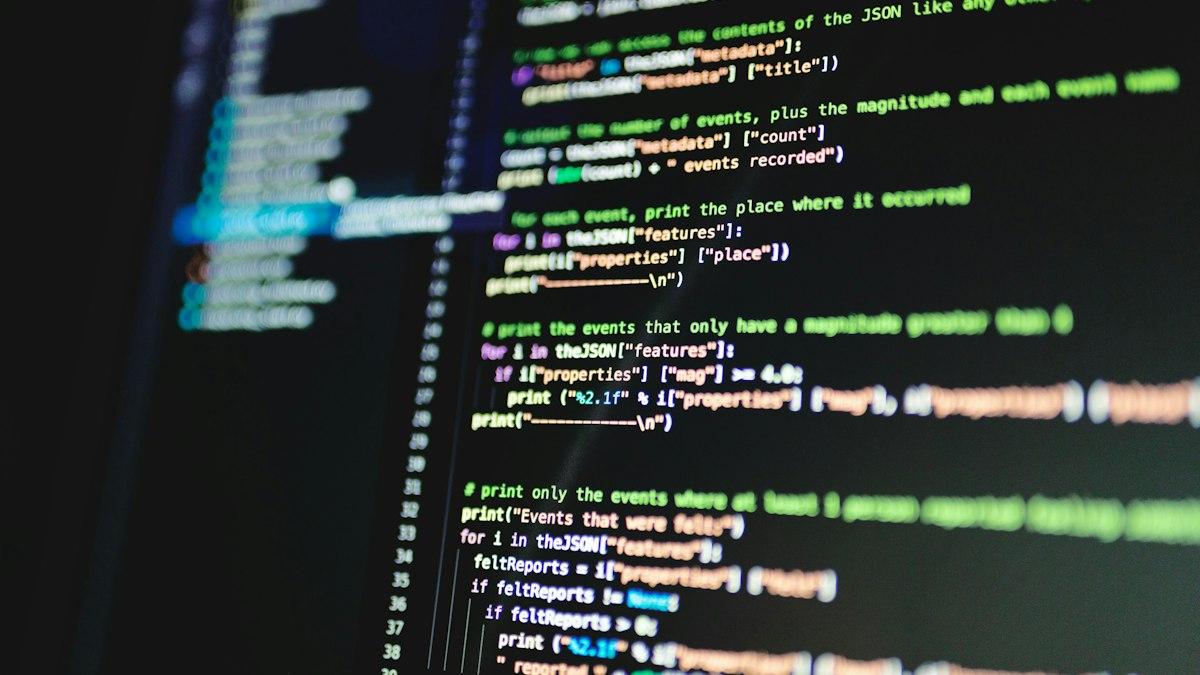
Python is often recommended as the best first programming language, and for good reason. Its syntax reads almost like plain English, it is used for everything from automation and web development to data science and artificial intelligence, and there is a huge community ready to help when you get stuck. If you start a well-structured Python course for beginners now, you can realistically be writing useful programs by spring.
Rather than presenting five unrelated options, this guide lays them out as a learning path you can follow in order, with a weekly routine to keep you on track.
A Five-Step Python Learning Path
Step 1: Python for Data Science and AI, Hands-On Development
Start with this single course from IBM if you have never coded before. It takes you from zero to working with real data in Python, covering variables, data types, loops and libraries such as Pandas, and it can be completed in around two weeks at ten hours a week. It is a gentle way to find out whether you enjoy programming.
Step 2: Python for Everybody Specialization
Offered by the University of Michigan, this five-course specialization is one of the most popular introductions to programming anywhere. It teaches you to write programs that gather, clean, analyze and visualize data, and it explains concepts slowly and clearly. Expect around two months at ten hours a week.

Step 3: Python 3 Programming Specialization
Once the basics feel comfortable, this second Michigan specialization helps you become an independent programmer. Across five courses you work with functions, classes, files and external libraries, and you learn how to read documentation and debug your own code, two skills that separate beginners from confident coders.
Step 4: Google IT Automation with Python Professional Certificate
Ready to use Python at work? Google’s seven-course certificate teaches you to automate repetitive tasks, manage files, use Git and GitHub, and work with configuration management and the cloud. It is aimed at people in IT and support roles, but anyone who wants to save time with scripts will find it valuable.
Step 5: Applied Data Science with Python Specialization
For learners who want to go deeper into data, this intermediate Michigan specialization covers data manipulation, plotting, machine learning, text mining and social network analysis. Tackle it last, once you are comfortable writing your own code, and you will finish with skills that apply directly to analyst and data science roles.
What You Can Build Along the Way
One of the best things about Python is how quickly it becomes useful. After the first steps you can write scripts that rename hundreds of files in seconds, pull figures out of spreadsheets or send yourself a reminder email. By the middle of the path you will be reading data from websites and files, and by the end you can create charts, explore datasets and even train a basic machine learning model. Keeping a folder of these small programs is a great way to see your progress and to show employers what you can do.
A Weekly Routine That Works
- Study in short, regular sessions, such as three evenings of an hour each plus a longer weekend block.
- Type out every example yourself rather than copying and pasting.
- Build a small personal project alongside the course, like a budget tracker or a script that tidies your downloads folder.
- Review last week’s material before starting new lessons.
- Mix in a Python automation course project that solves a real problem from your own job.
Following this path step by step builds skills in a logical order, so each new concept rests on the last one.
Wrapping Up
You do not need to complete all five steps to benefit. Even the first two will give you enough confidence to automate everyday tasks and explore data, and every extra step opens new possibilities. Choose your starting point, commit to a routine and you will be surprised how much you can build by spring with the right Python course behind you.
Each of these programs is available on Coursera, the online learning platform behind courses from the University of Michigan, Google and IBM. An annual Coursera Plus subscription covers all of them, and the current offer on the annual plan lasts until November 30, 2026.
For more practical guides to learning new skills, visit BlogsBuddy.