

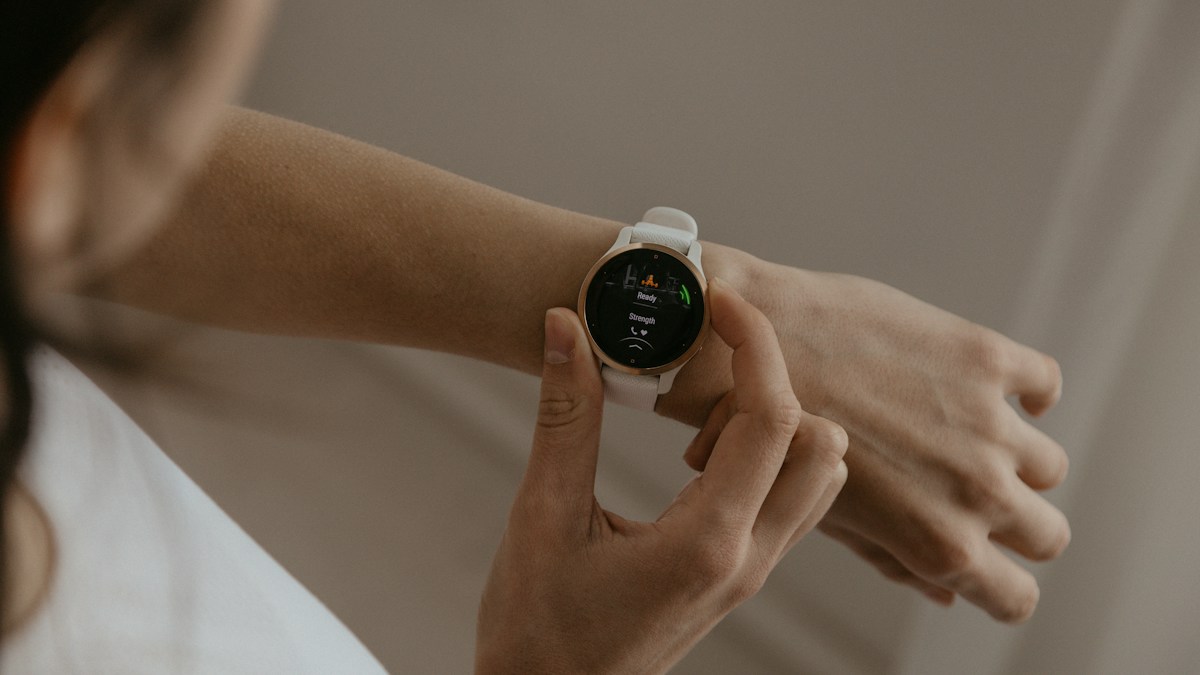
A smartwatch gets judged on the morning of a long run and then again at four in the afternoon, when the battery decides whether it makes it to bed. Most people buy for the first test and live with the second. That gap is why the newest model is rarely the right answer: the sensors, the screen and the software on a watch from a year or two back are the same ones being reviewed today, and the thing that actually improved is the marketing. A refurbished smartwatch from the last couple of generations covers training, sleep and a full working day without asking for anything the current model does better.
What Actually Separates Them
Three things, and none of them is processor speed. Battery life decides whether you wear it overnight, which decides whether sleep tracking is worth anything. Case size decides whether it is comfortable on a smaller wrist or lost on a larger one. And GPS behaviour decides whether a run through a city records a route or a scribble. Everything else — watch faces, app stores, strap ecosystems — is the same across all six of these. Narrowing down used smartwatches is mostly a matter of being honest about which of those three you care about.
The Models Worth Looking At
Apple Watch Series 11 46 mm Aluminium Jet Black
The current standard Apple Watch in its larger size, which matters more than the generation number: the bigger case carries a bigger battery, and that is the difference between charging nightly and charging every other day. For an iPhone household this is the watch that needs no thought, and buying it a step behind retail is the only decision to make.
Apple Watch Series 10 46 mm Aluminium Jet Black
The Series 10 introduced the thinner case and the wide-angle display that stays readable when your wrist is down. In daily use it is indistinguishable from the Series 11 for running, notifications and payments. If the list of features you actually use fits on one hand, this is where the sensible money goes.
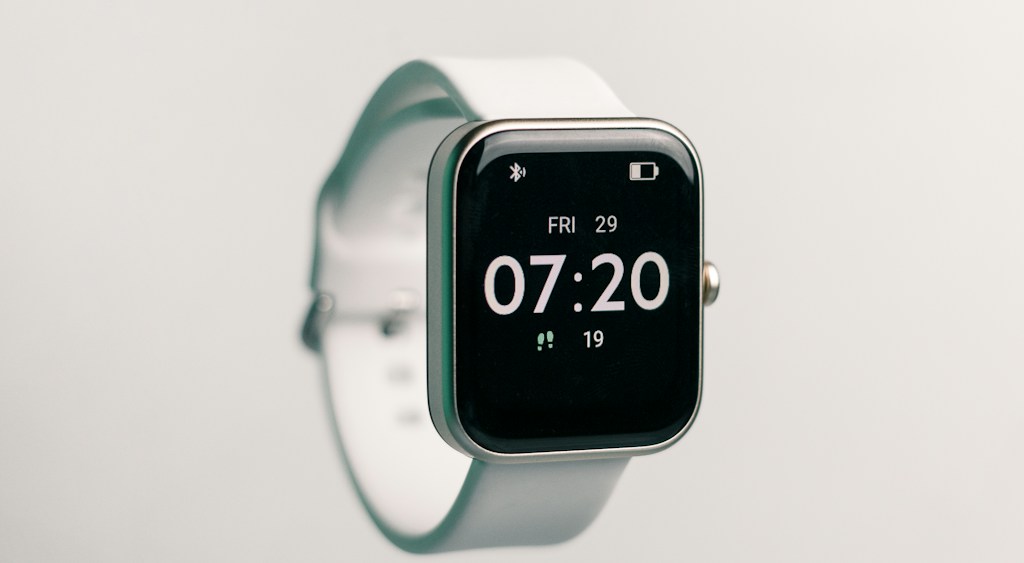
Apple Watch Ultra 2 49 mm Titanium Natural
The Ultra exists for people whose activities outlast a normal battery: long trail runs, open water, full days outdoors. Titanium case, a far brighter screen for midday sun, and the Action button you can map to start a workout without looking. It is heavier than the standard watch, which is the honest trade-off, and on a smaller wrist it will feel like one.
Apple Watch Ultra 49 mm Titanium Natural
The first Ultra does nearly everything the second does and tends to be the better-value route into the line. The screen is a little dimmer and the chip a generation older; the battery, the depth rating and the build are the same. For hiking and long-distance training it is more watch than most people will exhaust.
Samsung Galaxy Watch8 44 mm Aluminium Graphite
The natural choice on Android, where the Apple watches simply do not work. Sleep tracking is its strongest suit, the body-composition reading is a genuine extra, and the 44 mm case suits most wrists. Pairing is quickest with a Galaxy phone but it works across Android generally.
Samsung Galaxy Watch7 44 mm Aluminium Green
A generation back and barely distinguishable in use. Same sensor set for heart rate and sleep, same software platform, and the green aluminium is a change from the sea of black cases. As a first smartwatch, or as a second one so the first can charge, it does the job without argument.
Quick Answers
Does the battery arrive worn out? On a graded device the battery condition is stated before you buy, which is the whole point of choosing renewed watches over a private sale.
Will an older model stop getting updates? Both Apple and Samsung support their watches for years beyond release, and all six of these sit comfortably inside that window.
Is the bigger case always better? For battery, yes. For comfort overnight, often not. If you intend to track sleep, try the smaller case first.
The Short Version
Buy for the two moments that matter — the long run and the end of the day — and the list narrows itself. A second hand fitness watch one or two generations back gives you the same sensors and the same software as the current release. At rebuy every watch is tested, graded and sent out with a warranty, so the condition is something you read rather than something you discover. Trading in the watch sitting in a drawer goes through the same process, which is the tidiest way to fund a pre-owned smartwatch that actually suits your wrist.
More buying guides for everyday tech live over at BlogsBuddy.