
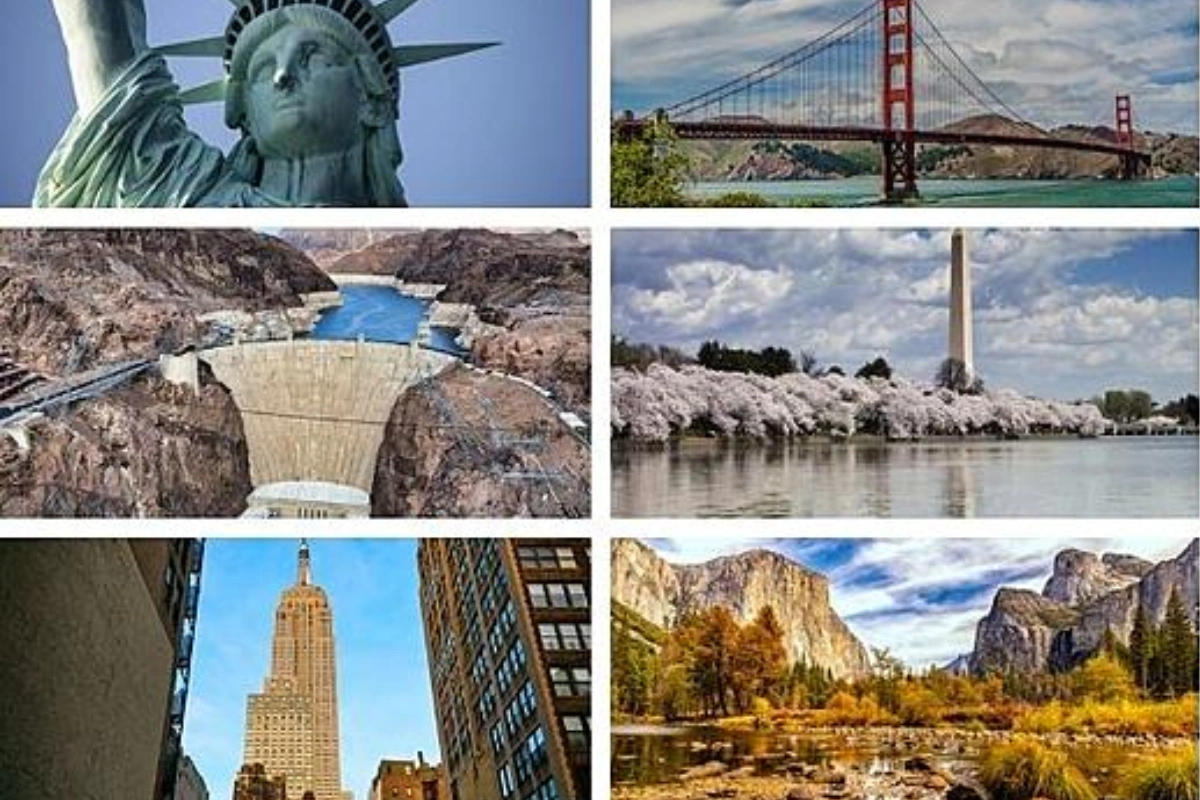
Did you ever pay attention to the reality that there are more than ninety thousand officially acknowledged historical homes, museums, battlefields, and cultural residences in the United States? Tourists all over the globe come to see the remnants of the past civilisations, colonial roots, warfare stories, artwork, and structures, which contributed to the improvement of the country and the manner in which it looks these days. When touring historic sites in the USA, it isn’t only a question of seeing antique monuments, but it’s also a query of entering the past and strolling on the memories.
We will discuss in this blog the popular attractions, historical sites, and culture that make historic places an important addition to the list of every traveler in the USA. You will learn why they are important, what they symbolise, and how the tourism of the present day introduces a new life to centuries-old legends.
Now, we can take a closer look into the way historic sites in the USA preserve history, culture, and memory for each generation.
Exploring the Foundations of American Heritage
Most historic sites in the USA are directly related to the chapters of the country’s formation and initial battles. These sites allow the visitors to comprehend how democracy was born, how intricate the process of colonization was, and what values formed the American identity. Independence National Historical Park in Philadelphia, the site of the Liberty Bell and the Independence Hall, is an example that draws thousands and thousands of humans annually to see the birthplace of the Declaration of Independence and the U.S. Constitution. On the same note, be aware that the Freedom Trail of Boston takes tourists on a tour of the main historic sites of the progressive generation.
Research has identified that cultural learning and historical empathy may improve through visiting heritage sites in USA, particularly in younger generations. This is why schools are incorporating field trips into the curriculum planning – field trips are much better at promoting retention than textbooks are. The other popular tourist site is the Colonial Williamsburg in Virginia, where heritage becomes more of an experience as costumed interpreters re-enact life in the 18th century.
Pro Tip: To have the most rewarding experience in the season, go to large historic sites in the USA in the spring or early fall to escape extreme weather, as well as the large number of visitors.
One thing is to dive into the roots of early developments, and now we can proceed to cultural conservation and landmarks.
Cultural Icons and National Landmarks of the USA
There are historic sites in the USA that are not so iconic due to warfare or political leadership but due to their cultural symbolism. These spaces usually symbolize arts, identity, migration, and social movements, which shaped American life. The following are some of the main categories that travelers explore in making cultural explorations:
Types of famous cultural landmarks:
- Theaters and performing arts centers.
- Literary and art museums.
- Headstones of cultural leaders.
- Places associated with civil rights movements.
These places unveil the way the historic sites in the USA hold onto identity, narration and heritage outside political history. They also endorse the current Things to Do in the USA lists to foreign and local tourists.
Having visited cultural spaces, it is high time to proceed to practical takeaways for a traveler.
How to Plan Your Trip to Historic US Sites
Contemporary tourists require friendly and easily structured means of touring historic sites in the USA without being overwhelmed by the number of available choices. The following are some useful planning tips that will make the trip easier:
- Prioritize Themes: Select between the history of war, the history of civil rights, the history of colonial origins, or the history of cultural development. This reduces the pertinent historic sites in USA successfully.
- Pick Regions: History is distributed throughout all the 50 states, and thus, regional planning saves both transportation time and cost. Examples are New England history of the Revolution or Southern history of the Civil War.
- Use Guided Tours: Guides bring about historical background, which might elude self-guided tourists. This adds a lot of experience to key historic sites in the USA.
- Consider Timing: Weekends with holidays should not be taken because popular historic locations in the USA may be associated with high pedestrian flow and long queues.
- Check Preservation Rules: Most historic sites in the USA have photography limitations, guarded objects, and heritage preservation regulations.
These are the tips that help to make the visits easier and more enjoyable for the history lovers, architecture enthusiasts, and the people who are interested in the USA cultural attractions.
It is always good to travel informally; here are some of the main lessons that one can learn when travelling and trying to explore the heritage of America.
Ready to Explore America’s History
America is awash with narratives hewn into edifices, battlefields, libraries and buildings. Tourists, whilst visiting historic sites in the USA, can examine more closely the improvement of the country and those who made it what it became.
Key takeaways consist of:
- Heritage is maintained in museums, parks, and national monuments.
- Historic sites in the USA are favourable to the development of educational tourism.
- These destinations are connected to memory, identity, and culture.
- There are numerous spots that are related to US history travel.
- Historic tourism places are growing due to the growing interest in cultural learning.
Pro Tip: Combine several historic sites in the USA into one regional visit to create a thematic trip, e.g., civil rights routes in Atlanta, Montgomery, and Memphis.
In this regard, we will conclude by explaining why these spaces are important on a national scale.
Conclusion
Historic sites in USA protect the history that contributed to the creation of a whole nation, whether it is battlefields, preserved districts, or cultural institutions. They foster heritage education, enhance cultural identity, and make available to locals and international visitors both chapters of American history, which would otherwise be lost over time. As observed in the context of the colonial landmarks, immigrant communities, or artistic venues, historic sites in the USA, nevertheless, are still very pertinent in maintaining the national memory. They are also the most significant American landmarks to visit; vehicles should visit when they want to explore deep rather than the superficial sides.
To facilitate exploration and make the process exciting, such sites as Viator suggest guided tours, customized itineraries, and tours guided by professionals, which make the sightseeing of the historic sites in the USA more informative, structured, and inspirational to each traveler.
As a way of ensuring that you continue to learn of heritage-rich sites and classic cultural experiences, revisit BlogsBuddy and allow travel curiosity to guide you to your next destination.